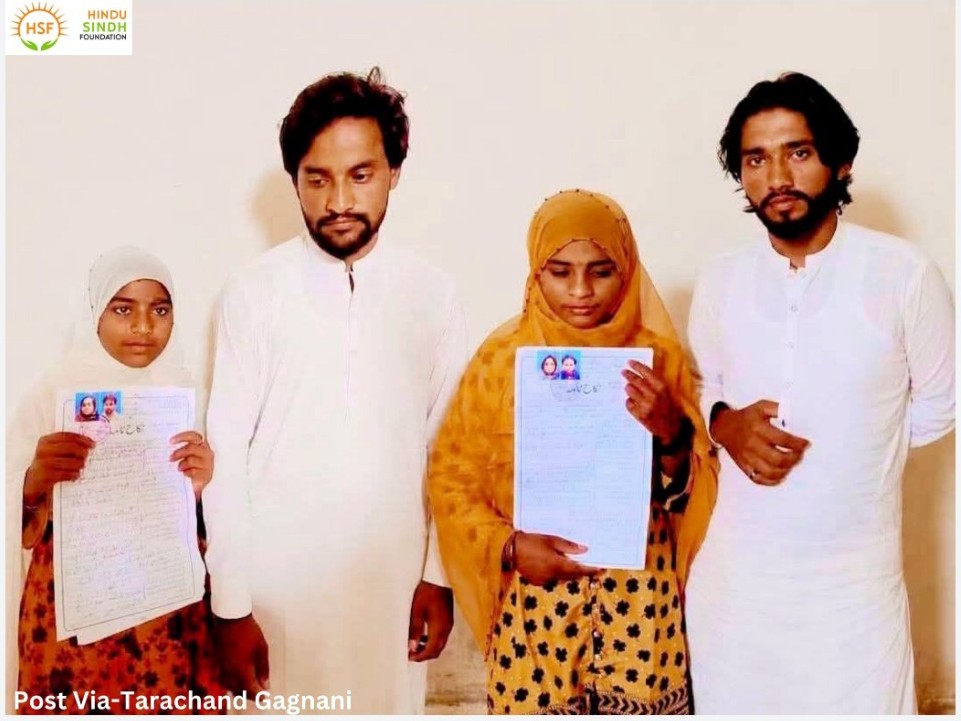
TANDO ALLAHYAR, Sindh🇵🇰 — September 2026: Concerns have been raised over the reported conversion and marriages of two Hindu sisters from Ibrahim Colony in Tando Allahyar, with their family and minority-rights voices alleging that the girls were abducted before being converted to Islam and married.
The case has drawn particular attention because the girls are reportedly minors. Information circulating publicly identifies the sisters as Roopi and Seeta, daughters of a man identified as Raamji, and alleges that they were married to Amjad Solangi and Mansoor Solangi, respectively.
However, the allegations, including the circumstances of the girls’ disappearance, their ages, the alleged conversions and the marriages, should be independently established through police records, birth-registration documents, NADRA records and court proceedings.
Age is central to the case
The most significant legal question is the reported age of the two girls.
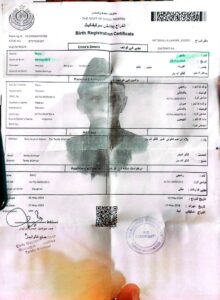
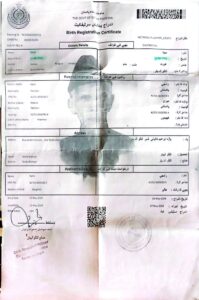
Information provided by people raising concerns over the case claims that official documentation places one girl at 13 and the other at 14 years of age. Those documents have not been independently examined by this publication, and authorities have not publicly confirmed their authenticity at the time of writing.
If the ages are verified, both girls would fall within the definition of a child under Sindh law.
The Sindh Child Marriages Restraint Act, 2013 defines a child as any person, male or female, under 18 years of age. It also defines a child marriage as a marriage in which either contracting party is a child.
The law provides imprisonment of between two and three years, along with a fine, for a male above 18 who contracts a child marriage. It also provides punishment for anyone who performs, conducts, directs, facilitates or otherwise brings about a child marriage.
The Act further classifies offences under the legislation as cognizable, non-bailable and non-compoundable.
Calls for an impartial investigation
The reported case has prompted calls for the Sindh government, police, district administration and child-protection authorities to establish the facts without delay.
At the centre of those demands is the need to determine the girls’ ages from authoritative records and to establish whether they left their homes voluntarily or were abducted or otherwise subjected to pressure.
If the girls are minors, child-protection safeguards should be applied throughout any investigation or court proceedings.
Their statements should also be recorded in an environment where they can speak freely and separately from anyone who could influence or intimidate them. Any assessment of their wishes should take into account their age, vulnerability and the circumstances in which they were located.
Conversion allegations require separate scrutiny
The allegations of religious conversion are another important element of the case.
Public posts circulating online describe the two sisters as having converted to Islam before their reported marriages. Some posts go further and allege forced conversion and sexual violence. Those more serious allegations have not been independently verified by this publication and should not be treated as established facts without evidence from police, medical, judicial or other competent authorities.
The central issue for investigators is therefore not simply what religious identity the girls now claim, but whether their decisions were made freely and without abduction, coercion, threats or other forms of pressure.
A recurring concern in Sindh
The case comes amid continuing concern over the vulnerability of minority girls in Sindh.
Earlier cases involving Hindu girls in the province have also generated allegations of abduction, conversion and child marriage. For example, reporting in January 2026 documented allegations concerning a minor Hindu girl from Tando Allahyar who was reportedly abducted, converted and married in the Mirpurkhas area.
In another Tando Allahyar case reported in 2024, a Hindu minor named Kamla was alleged to have been abducted and converted before marriage; reporting said her family registered an FIR under Section 365-B of the Pakistan Penal Code.
These cases demonstrate why allegations involving minority girls require careful investigation rather than assumptions about either the families’ claims or the girls’ subsequent statements.
What authorities should establish
For the current Tando Allahyar case, several questions remain unanswered:
- What do the girls’ official birth records and NADRA documentation show about their dates of birth?
- Has an FIR been registered concerning their alleged disappearance or abduction?
- When and where were the alleged conversions carried out?
- Who performed or facilitated the alleged marriages?
- Were the girls presented before a court, and if so, what did the court record regarding their ages and statements?
- Were their statements recorded independently and in a child-sensitive environment?
- What evidence exists regarding the alleged circumstances surrounding their disappearance?
- Have police and child-protection authorities formally investigated the allegations made by the family?
Until these questions are answered through official documentation, the allegations should remain clearly identified as allegations.
The law must be applied equally
If official records ultimately establish that the girls were 13 and 14 at the relevant time, their reported marriages would raise a direct issue under Sindh’s child-marriage legislation, which sets the legal threshold at 18 for both males and females.
The Sindh law also provides that a Judicial Magistrate of the First Class has jurisdiction over offences under the Act and requires proceedings to be concluded within 90 days once the court takes cognizance of a case.
The appropriate response, therefore, is neither communal rhetoric nor a presumption of guilt. It is a prompt, transparent and impartial investigation, with the safety and legal rights of the two reported minors at its centre.
Until police, courts or other competent authorities release verified findings, claims regarding abduction, forced conversion, sexual violence or the exact ages of the girls should be treated as allegations rather than established facts.
For more updates and detailed coverage of this case and other issues affecting the Hindu and Sindhi communities in Sindh, Pakistan, stay tuned to Sindh Renaissance.