Lawmakers question police inaction and disputed court petition; Sindh and Balochistan police given seven days to report progress in Bindiya Kumari case
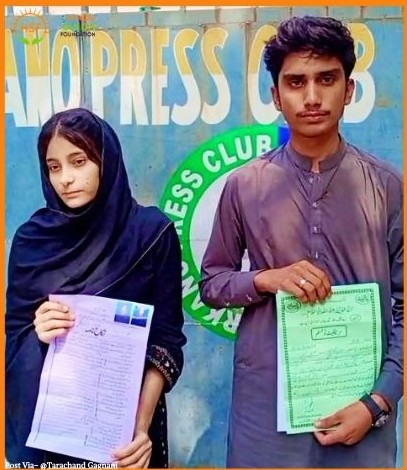
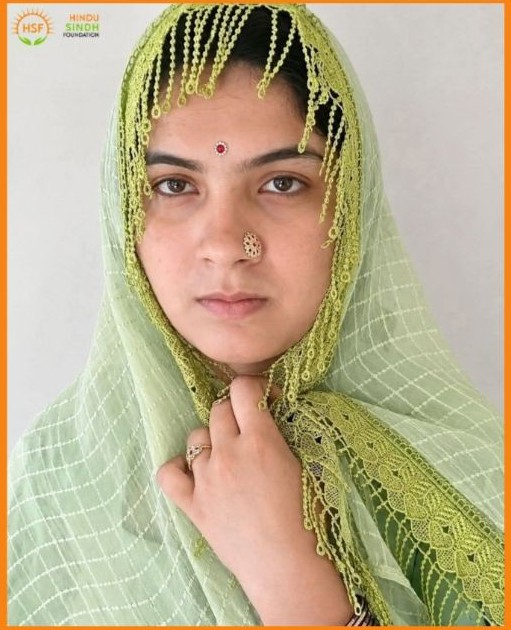
ISLAMABAD🇵🇰, October 29, 2026: The Senate Minority Caucus has directed police authorities in Sindh and Balochistan to take immediate steps to recover a 14-year-old Hindu girl, Bindiya Kumari, following allegations of abduction, forced religious conversion and underage marriage.
The issue was discussed during a high-level meeting of the Senate Minority Caucus at Parliament House, Islamabad, on October 29, chaired by Senator Danesh Kumar, Convener of the caucus. Lawmakers and legal representatives expressed serious concerns over the alleged disappearance of the minor girl and the response of law enforcement agencies.
According to an official statement issued by the Senate of Pakistan, the meeting examined the circumstances surrounding Bindiya Kumari’s alleged abduction from Sibi, Balochistan, and her reported transfer to Sindh, where she was allegedly converted to Islam and married while still underage.
Disputed court petition raises questions over police response
One of the central issues discussed was a disputed constitutional petition that police officials reportedly cited as the reason for not taking further action in the case.
During the meeting, senior police officials from Sindh and Balochistan informed the caucus that their departments had received copies of a court petition through their respective legal departments.
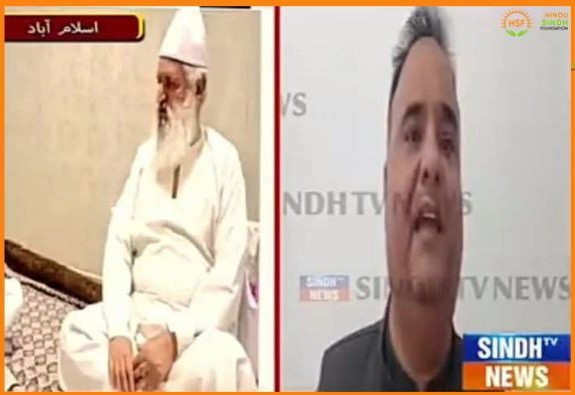
However, Athar Solangi, President of the High Court Bar, who participated in the meeting through a video link, reportedly challenged the authenticity of the petition, describing the notice as fake and alleging that it was being used to divert attention from the girl’s recovery.
A Supreme Court advocate participating in the discussion also questioned whether any genuine petition had been filed, raising concerns about the absence of effective police action.
The conflicting accounts prompted the caucus to direct the relevant police authorities to investigate the origin and authenticity of the document and establish how it had entered official departmental records.
Mian Mithu’s alleged influence discussed
The meeting also addressed allegations involving Mian Abdul Haq, widely known as Mian Mithu, a former parliamentarian and religious figure associated with Bharchundi Sharif in Daharki, Sindh.
According to the Senate’s official press release, Minister of State for Religious Affairs and Interfaith Harmony Kesoo Mal Khael Das raised concerns about Mian Mithu’s alleged influence in cases involving minority girls and forced religious conversions.
The minister reportedly alleged that young girls were being abducted, converted and subsequently married against their will. He also described the influence attributed to Mian Mithu as a serious obstacle to effective law enforcement.
The caucus discussed concerns that influential individuals should not be beyond the reach of the law and that allegations involving vulnerable minority girls must be investigated independently and transparently.
The meeting also considered bringing the matter to the attention of senior Pakistan Peoples Party leadership, given Mian Mithu’s reported former association with the party.
These allegations require independent investigation, and responsibility for any criminal conduct must be determined through lawful proceedings.
Seven-day deadline for police authorities
Taking serious notice of the situation, Senator Danesh Kumar directed the DIGs of Sindh and Balochistan to investigate the disputed petition, coordinate their efforts and take immediate measures to recover the girl.
The police authorities were asked to submit a progress report within seven days.
The caucus stressed that the investigation must establish the facts surrounding the girl’s disappearance, the circumstances of her alleged conversion and marriage, and the possible involvement of anyone responsible for unlawful activities.
Lawmakers also expressed dissatisfaction with delays, inadequate investigations and the failure of relevant departments to respond effectively to complaints involving minority communities.
Senator Danesh Kumar emphasised that authorities must address the underlying causes of such incidents rather than limiting their response to individual cases.
Child marriage laws and protection of minority girls
The meeting also highlighted the need for effective enforcement of existing legislation concerning child marriage and the protection of religious minorities.
Importantly, Sindh already has the Sindh Child Marriages Restraint Act, 2013, which defines a child as a person under 18 years of age and provides penalties for those involved in facilitating child marriages.
The law makes clear that marriage involving a person under 18 falls within its definition of child marriage in Sindh.
Participants stressed that legal protections must be implemented without discrimination and that allegations of forced conversion, abduction and child marriage should receive prompt and impartial investigation.
The discussion further highlighted the importance of cooperation between provincial governments, federal institutions, police departments and legal authorities to protect vulnerable children.
Parliamentary participation
The meeting was attended by Minister of State for Religious Affairs and Interfaith Harmony Kesoo Mal Khael Das, Senator Khalil Tahir Sandhu and Members of the National Assembly, including Neelam, Dr Ramesh Kumar Vankwani, Ramesh Lal, Sanjay Perwani and Nelson Azeem.
Senior officials from relevant ministries, police representatives from Sindh and Balochistan, and legal experts also participated in the proceedings.
State responsibility to protect every child
The Bindiya Kumari case has brought renewed parliamentary attention to the challenges faced by religious minority communities, particularly allegations involving the abduction, forced conversion and underage marriage of girls.
The immediate priority remains establishing the girl’s whereabouts, ensuring her safety and allowing her to be heard independently and without pressure.
The seven-day reporting deadline now places responsibility on the relevant police authorities to demonstrate concrete progress.
Protecting children, regardless of their religious background, is a fundamental responsibility of the state. Every allegation must be investigated transparently, every victim must have access to justice, and no individual should be considered above the law.
For more updates and detailed coverage of this case and other issues affecting the Hindu and Sindhi communities in Sindh, Pakistan, stay tuned to Sindh Renaissance.