Celebrating faith, honouring heritage and embracing the cultural diversity of Sindh
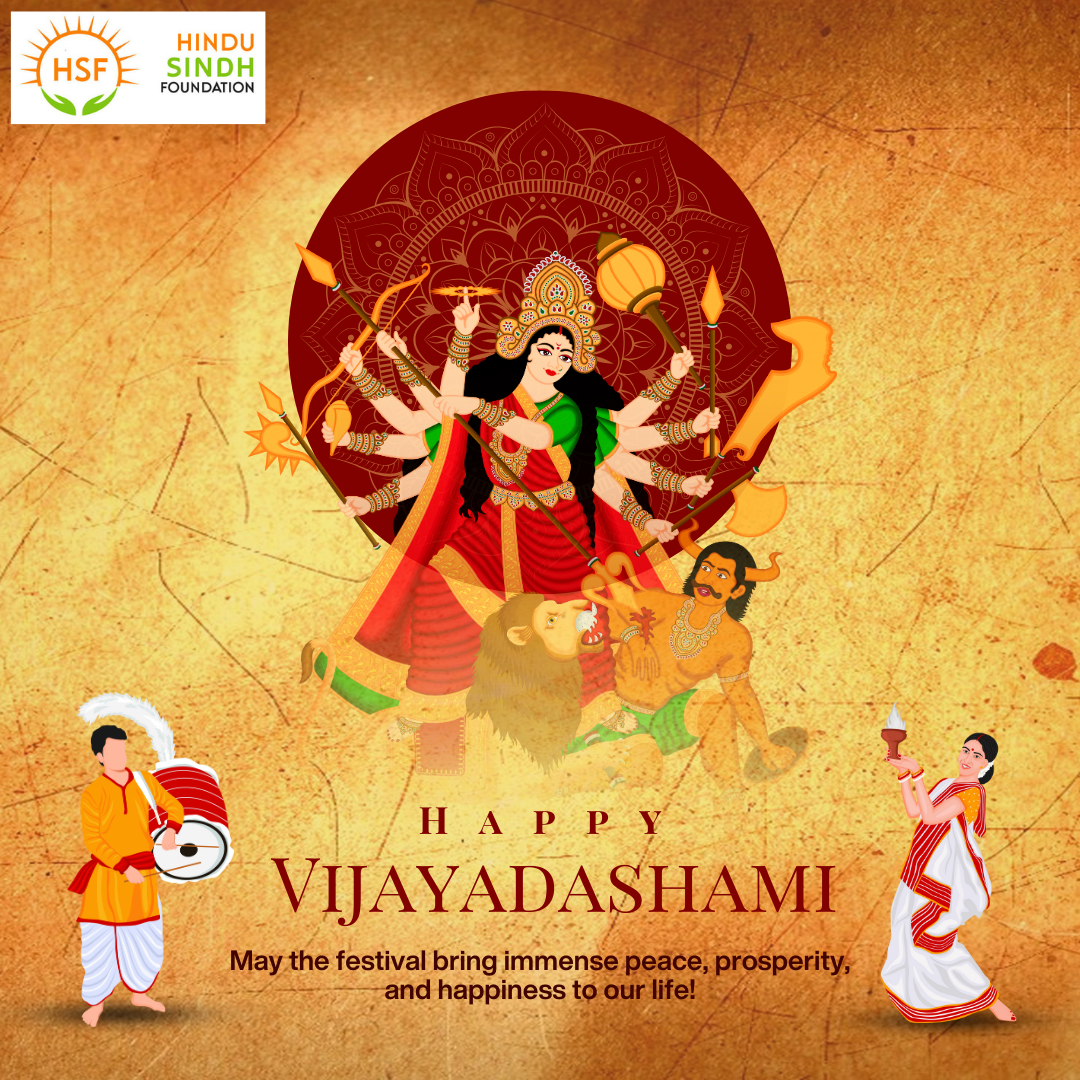
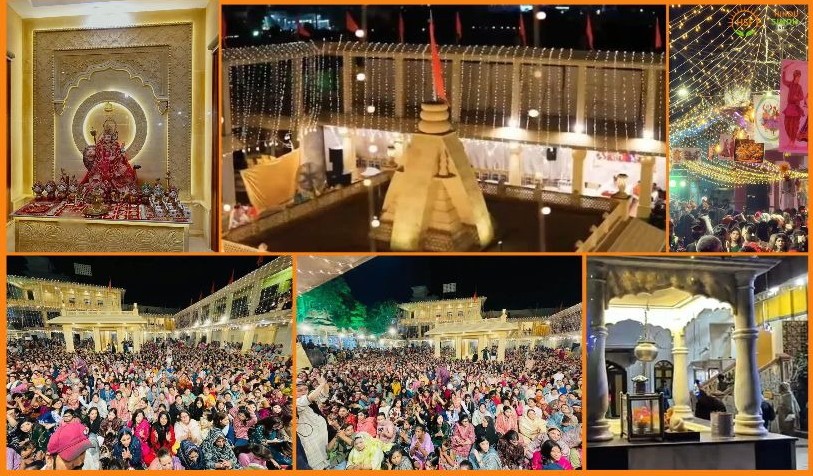
Navratri, one of the most significant festivals in the Hindu religious calendar, was celebrated with devotion, enthusiasm and cultural pride by Hindu communities in Karachi and across Sindh in October 2026. Dedicated to Goddess Durga and her nine forms, the festival brought together families, devotees and community members for prayers, traditional music, dance and gatherings that reflected the enduring richness of Sindhi Hindu heritage.
This year’s celebrations were not limited to temples and traditional places of worship. In Karachi, festivities were also organised at some restaurants and other social venues, providing additional spaces for community members to gather, enjoy cultural performances and celebrate their traditions together. These gatherings reflected how religious observance and cultural expression can come together to keep heritage alive across generations.
Karachi: Where Faith Meets Cultural Celebration
In Karachi, Navratri offered Hindu families an opportunity to renew their spiritual connections and celebrate their shared identity. Temples and community spaces served as important centres for worship, where devotees participated in aarti, offered prayers and sought blessings for their families.
Alongside religious observances, cultural gatherings added colour and energy to the festival. Traditional clothing, devotional bhajans, music and the lively rhythms of Garba and Dandiya created an atmosphere of joy and togetherness wherever these activities were organised.
The inclusion of restaurant venues in some celebrations also reflected the evolving ways in which communities come together. Beyond providing a place to gather, these venues offered opportunities for families, friends and younger generations to connect through food, music and cultural activities while celebrating their religious heritage.
For many participants, these occasions were not simply festive gatherings; they were meaningful expressions of identity, belonging and the desire to preserve traditions in a changing urban environment.
Across Sindh: A Living Heritage
Beyond Karachi, Navratri holds significance for Hindu communities throughout Sindh, including Hyderabad, Sukkur, Mirpur Khas, Umerkot, Tharparkar and other towns and districts where Hindu religious and cultural traditions remain an important part of community life.
The manner of celebration varies according to local customs, family practices and community arrangements. For some, the festival centres on daily prayers, fasting and temple visits. For others, it also includes devotional singing, cultural programmes and opportunities to bring the wider community together.
Sindh’s Hindu heritage is deeply connected to the province’s history, languages, traditions and social fabric. Festivals such as Navratri provide an opportunity to recognise this contribution and appreciate the role that religious and cultural traditions play in sustaining community identity.
The celebrations also serve as a reminder that the cultural richness of Sindh is shaped by its diverse communities, whose customs and festivals contribute to the province’s collective heritage.
The Spirit of Navratri: Devotion, Music and Togetherness
The word Navratri means “nine nights.” During this sacred period, devotees honour Goddess Durga and reflect on the values associated with her divine forms, including courage, strength, compassion and the triumph of good over evil.
Many families observe the festival through fasting, prayer and devotional activities, while others participate in community gatherings featuring traditional music and dance. Garba and Dandiya, in particular, offer opportunities for people of different generations to participate in cultural traditions that have been passed down over time.
Whether celebrated in a temple courtyard, a community hall, a restaurant or a family home, the festival’s significance extends beyond its outward festivities. It is an occasion to strengthen family bonds, teach younger generations about their faith and reaffirm the values that guide everyday life.
Preserving Traditions for Future Generations
One of the most important aspects of Navratri is its role in cultural continuity. Elders pass on religious stories and customs, parents introduce children to traditional practices, and community organisers create opportunities for people to remain connected to their heritage.
In a diverse province such as Sindh, documenting and sharing these celebrations can help ensure that the experiences of Hindu communities receive meaningful recognition. Photographs, personal accounts, cultural performances and community stories can all contribute to preserving a record of the traditions that continue to shape the region.
The participation of younger generations is particularly important. By learning about their history, religious customs and cultural identity, young people can carry these traditions forward while finding new ways to express them within contemporary society.
A Celebration of Faith, Dignity and Harmony
Navratri is ultimately a celebration of faith and the victory of good over evil. Its message of courage, compassion, righteousness and hope resonates beyond religious boundaries, offering an opportunity to reflect on the values that help communities live together with mutual respect.
As Hindu communities in Karachi and across Sindh marked Navratri 2026, the celebrations highlighted the importance of protecting cultural heritage, respecting religious diversity and recognising the contributions of every community to the province’s identity.
From the prayers offered in temples to the cultural festivities held at social venues, Navratri demonstrated the enduring connection between faith, family and tradition.
Shubh Navratri 2026! May the blessings of Maa Durga bring peace, prosperity, strength and happiness to all, and may the spirit of harmony and togetherness continue to flourish throughout Karachi and across Sindh.