Human Rights & Social Justice
A continuing crisis affecting vulnerable women and girls
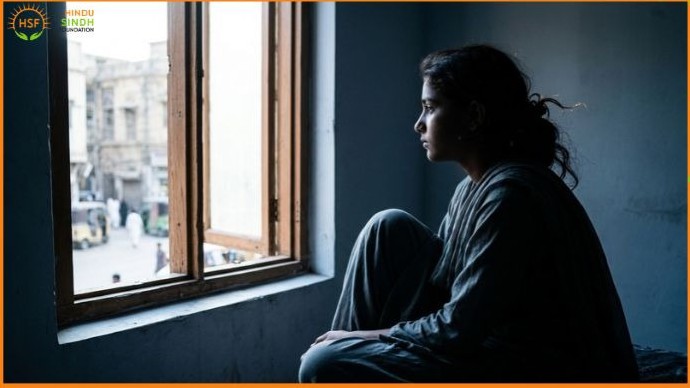
Pakistan continues to face serious human rights concerns over the reported abduction, forced religious conversion and forced marriage of women and underage girls belonging to religious minority communities, particularly Hindu and Christian communities.
The issue has attracted renewed international attention in 2026, with human rights organisations and United Nations experts raising concerns about the protection of minority women, the safety of children, and the effectiveness of law enforcement and judicial safeguards.
For many affected families, the disappearance of a daughter is not simply a criminal matter. It can become a prolonged struggle for recovery, justice, personal freedom and the right to practise their religion without fear.
Documented cases and disturbing figures
According to Christian Solidarity Worldwide (CSW), the Centre for Social Justice documented 94 cases involving the abduction, forced conversion and forced marriage of minority women and girls in Pakistan during 2025. The documented cases included 71 Hindu victims and 23 Christian victims. The organisation warns that the actual number may be higher because of intimidation and underreporting.
On 22 April 2026, United Nations human rights experts expressed serious concern about continuing patterns of abduction and forced religious conversion through marriage in Pakistan.
The UN experts reported that approximately 75 per cent of affected women and girls in 2025 were Hindu and 25 per cent were Christian. Nearly 80 per cent of the reported incidents occurred in Sindh province. Adolescent girls between 14 and 18 were identified as particularly vulnerable, with some victims reportedly even younger.
These figures highlight the need for effective child protection measures, impartial investigations and access to justice for minority families.
The case of Maria Shahbaz: A question of child protection and justice
One widely reported case in 2026 concerns Maria Shahbaz, a Christian girl whose family says she was only 13 when she was abducted in July 2025.
According to reports, Maria was taken from near her home and subsequently converted to Islam and married to a 30-year-old man. Her family challenged the circumstances of her disappearance, her age and the validity of the marriage.
On 26 March 2026, Pakistan’s Federal Constitutional Court upheld the marriage and rejected her father’s petition seeking her recovery. The court questioned the reliability of delayed birth-registration documents and considered other evidence in determining her age.
However, the matter did not end there. In July 2026, the family pursued a review petition. Following a hearing on 24 July, the court issued notices to relevant parties as the legal challenge continued.
The case has drawn attention from international human rights advocates because it raises important questions about age verification, the protection of minors, consent, religious freedom and the responsibility of state institutions.
The allegations and the family’s position must be distinguished from the court’s findings, and the final outcome of the review should be reported only when officially confirmed.
Human rights: What protections are at stake?
The reported abduction and forced conversion of minority women and girls raise serious concerns under internationally recognised human rights principles.
1. Right to life, liberty and personal security
Article 3 of the Universal Declaration of Human Rights recognises everyone’s right to life, liberty and security of person. Abduction, unlawful confinement and threats against women and girls directly raise concerns about these protections.
2. Freedom of religion and belief
Article 18 of the Universal Declaration of Human Rights protects freedom of thought, conscience and religion, including the freedom to change one’s religion or belief. Religious conversion must be a matter of genuine personal choice, not intimidation, coercion or threats.
3. Protection against forced marriage
Article 16 of the Universal Declaration of Human Rights recognises that marriage requires the free and full consent of the intending spouses. A child cannot be treated as having the same legal capacity to consent to marriage as an adult.
4. Rights of children
The United Nations Convention on the Rights of the Child establishes important protections for children, including protection from violence, exploitation and harmful practices. It also recognises children’s rights to identity, education, family relationships and appropriate protection by state authorities.
5. Equality and non-discrimination
Article 2 of the Universal Declaration of Human Rights recognises that human rights belong to everyone without discrimination based on religion, sex or other status. Minority women and girls must receive the same protection, legal assistance and access to justice as every other citizen.
The challenges facing victims and their families
Families reporting the disappearance of their daughters may encounter serious difficulties, including delays in registering complaints, inadequate investigations, threats, financial hardship and uncertainty about their children’s whereabouts.
Human rights organisations have also raised concerns about age verification in cases involving alleged child marriages. Reliable birth records, independent medical or forensic assessment where appropriate, and careful judicial examination are essential to preventing children from being wrongly treated as adults.
There is another important concern: a victim’s apparent statement of consent must be assessed in light of her age, safety, freedom from intimidation and ability to speak independently. Authorities must provide a safe environment in which a child can express her wishes without pressure from alleged perpetrators or other interested parties.
Responsibility of the government and law enforcement
The protection of minority women and girls is a responsibility of the state. Authorities must ensure that every complaint of abduction is investigated promptly, impartially and professionally.
Police departments should register complaints without discrimination, investigate allegations, locate missing women and children, preserve evidence and protect victims and witnesses from intimidation.
Courts must carefully assess age-related evidence, the circumstances of alleged conversion and marriage, and the legal protections applicable to children.
Government institutions should also strengthen access to free legal assistance, confidential shelters, psychological support, education and rehabilitation services for survivors.
Religious minorities must be able to seek justice without fear, discrimination or pressure.
A call for accountability and equal protection
The protection of minority women and underage girls should not be treated as a political or religious controversy. It is fundamentally a matter of human dignity, child protection, freedom of belief and equal citizenship.
Every girl deserves the right to grow up safely, receive an education, maintain her identity and make decisions about her future when she has the legal capacity to do so.
Every woman deserves freedom from abduction, violence, intimidation and forced marriage.
Pakistan’s constitutional commitments and international human rights obligations require meaningful protection for all citizens, regardless of their religious background.
The relevant authorities must ensure that allegations are investigated, victims are protected, perpetrators are held accountable through due process, and families receive access to justice.

Justice should not depend on a person’s religion, economic circumstances or social status. The safety, freedom and dignity of every woman and child must be protected equally.
For more updates and detailed coverage of this case and other issues affecting the Hindu and Sindhi communities in Sindh, Pakistan, stay tuned to Sindh Renaissance.