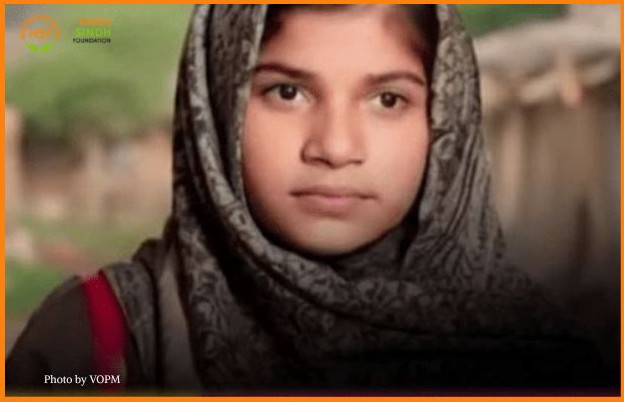
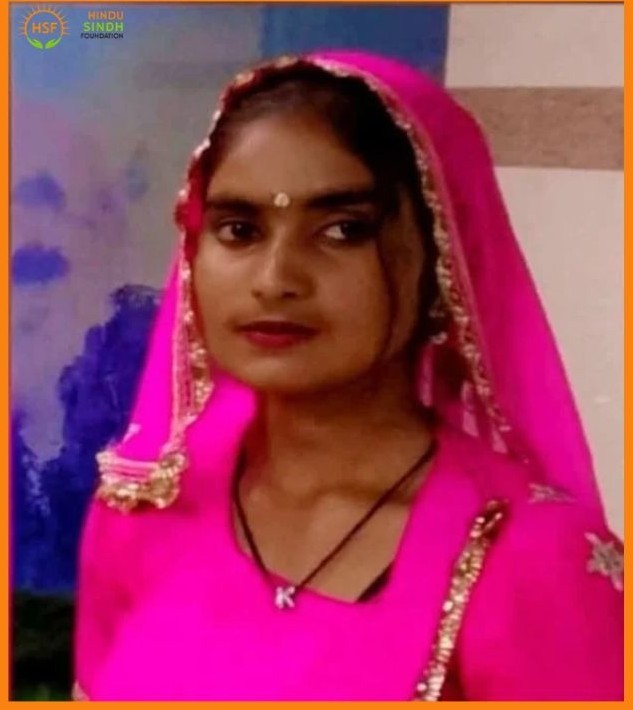
TANDO FAZAL, SINDH🇵🇰– Concerns have been raised over the reported abduction of Madhu Kohli 16 years old Doughter of Jagdish Kolhi, a Hindu girl described in circulating accounts as a minor from Hussain Khan Thoro village in the Tando Fazal area of Sindh, Pakistan. The reports further allege that she was forcibly converted to Islam and married following her disappearance.
The circumstances surrounding Madhu’s reported disappearance, her age, and the allegations of forced conversion and marriage could not be independently verified through publicly available reporting reviewed for this article. Confirmation from local police, the family, official records and relevant court proceedings is needed to establish the facts of the case.
The allegations nevertheless raise serious questions about the safety of minority girls in Sindh and the effectiveness of measures intended to protect children from abduction, coercion and unlawful marriage.
A recurring concern for Hindu minorities in Sindh
Madhu’s reported case comes amid longstanding concerns raised by human-rights organisations over allegations of abduction, forced religious conversion and underage marriage involving girls from Hindu and Christian communities in Pakistan.
The Human Rights Commission of Pakistan (HRCP), in its research on religious freedom and minority rights, has documented recurring allegations involving young girls from economically disadvantaged minority communities. Its reporting highlights how gender, poverty and limited access to legal protection can increase vulnerability.
In January 2025, the HRCP also published findings on the difficulties faced by Hindu families in Sindh, including concerns about violence, discrimination, insecurity and the vulnerability of Hindu women and girls to abduction, forced conversion and underage marriage.
These findings establish a broader human-rights concern; they do not, by themselves, verify the specific allegations concerning Madhu Kohli.
Recent cases have renewed scrutiny
In September 2026, reports emerged concerning two Hindu sisters, identified in media coverage as Roopi and Seeta, from Ibrahim Colony in Tando Allahyar. Their family alleged that the girls had been abducted, converted to Islam and married.
According to The New Indian Express, the Sindh High Court subsequently allowed the sisters to return to their parents in a ruling reported on 20 October 2026, after a lower court had sent them to a shelter home. The case drew renewed attention to the importance of verifying the ages of minors, protecting their welfare and ensuring that their wishes are heard independently.
The case is separate from the allegations involving Madhu Kohli. It illustrates why allegations involving minority girls require prompt investigation, reliable age verification and judicial proceedings that prioritise the safety and best interests of children.
What does Sindh’s law say about child marriage?
Sindh has a specific legal framework intended to prevent child marriage. Under the Sindh Child Marriages Restraint Act, 2013, a person under 18 is considered a child, and marriage involving a child is prohibited under the Act.
The legislation provides penalties for parties contracting a child marriage, those who solemnise it and those who facilitate it, subject to the applicable legal provisions.
If Madhu is under 18 and a marriage took place, the authorities should verify her age through official documentation and investigate whether the law has been violated. Any allegation of abduction or coercion should also be examined under the relevant criminal laws.
The authorities must establish the facts through lawful investigation rather than relying solely on statements made under potentially coercive circumstances.
The need for an impartial and child-sensitive investigation
In cases involving the alleged abduction of a minor, the immediate priority must be to establish the child’s whereabouts and ensure her safety.
Police and relevant authorities should confirm whether a complaint or First Information Report (FIR) has been registered, investigate the circumstances of the reported disappearance and take appropriate action where evidence supports criminal charges.
If the girl has been located, her statement should be recorded in a safe environment, away from anyone who might intimidate or influence her. Independent legal assistance and appropriate child-protection support should be available. Her age should be verified through reliable records, and any reported conversion or marriage should be examined for evidence of coercion, threats or lack of legally valid consent.
The same standards should apply regardless of the religion of the girl, her family or anyone accused of wrongdoing.
Accountability and equal protection for religious minorities
Pakistan’s constitutional and legal commitments to religious freedom and equality require authorities to protect minority citizens and investigate credible allegations of violence without discrimination.
For Hindu families in Sindh, the recurring reports of girls disappearing and subsequently being reported as converted or married have generated deep concern. Human-rights organisations have called for stronger law enforcement, better protection mechanisms and more effective implementation of laws against child marriage.
The issue is not a justification for hostility towards any religious community. Responsibility for any crime must be established through evidence, and individuals must be held accountable through due process.
At the same time, allegations involving vulnerable children cannot be dismissed simply because the facts are difficult to establish. Transparent investigations and independent oversight are essential to maintaining public confidence in the justice system.
Questions the authorities must answer
In Madhu Kohli’s reported case, several critical questions remain unresolved:
- Has her family formally reported her disappearance to the police?
- Has an FIR been registered, and what steps have investigators taken?
- Has Madhu’s age been verified through school, birth-registration or other official records?
- Has she been located, and are authorities able to confirm that she is safe?
- Is there documentary or judicial evidence concerning the alleged religious conversion and marriage?
- If a marriage occurred, was Madhu able to make a free and informed decision, without threats, pressure or coercion?
Answers to these questions are necessary before the allegations can be treated as established facts.
A demand for justice, not silence
The reported case of Madhu Kohli deserves urgent attention, a thorough investigation and a transparent account of the findings. If abduction, forced conversion or an unlawful child marriage is established, those responsible must face the consequences under the law.
The wider challenge is to ensure that Hindu, Christian and other minority girls can live safely, continue their education and exercise their rights without fear. Protecting children must be a practical responsibility of the state, not merely a promise on paper.
How long must minority families continue to fear for the safety of their daughters?
That question demands more than political statements or public outrage. It demands effective policing, independent judicial scrutiny, protection for witnesses and families, and accountability whenever the law is broken.
For more updates and detailed coverage of this case and other issues affecting the Hindu and Sindhi communities in Sindh, Pakistan, stay tuned to Sindh Renaissance.