
Minor from a low-income Christian family allegedly taken from the street while running an errand; rights advocates say the case exposes serious failures in child protection, minority rights, and the rule of law in Pakistan.
Lahore, Pakistan- May 2026
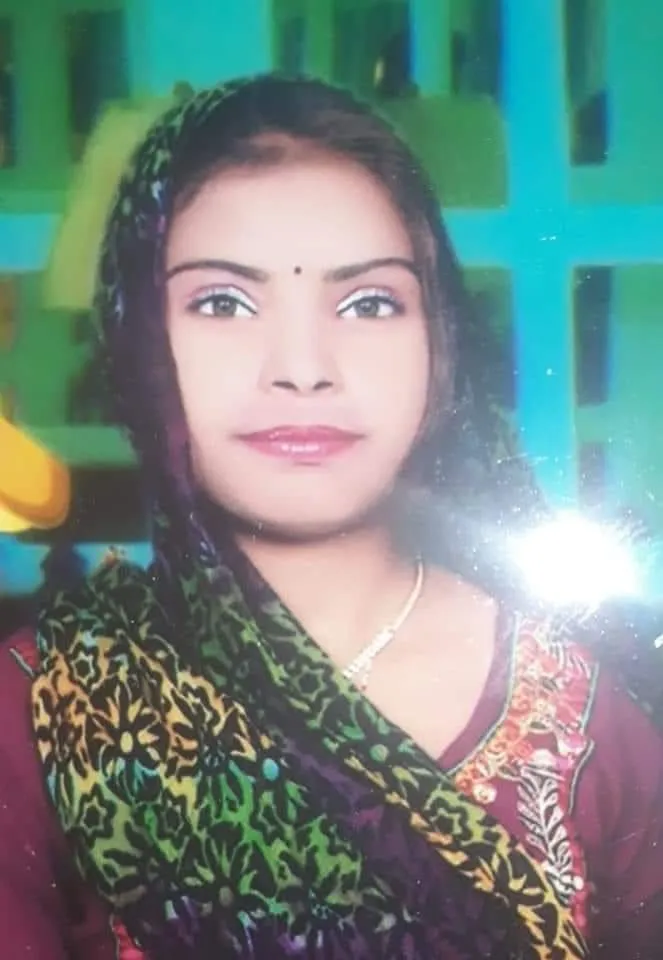
A 14-year-old Christian girl, Rida, was allegedly abducted in Lahore and later presented before a court in what rights advocates describe as another disturbing case of forced religious conversion and child marriage involving a minor from Pakistan’s Christian minority community.
The case has sparked outrage among legal experts, minority rights advocates, and civil society organizations, who argue that authorities failed to protect the child despite acknowledging that she was underage.
According to the family, the incident occurred on April 27, 2026, when Rida left her home in Lahore to buy food for her younger siblings while her parents were at work. Her father, Danish Barkat, and mother, Sobia Munir, both work long hours in low-income jobs to support the family.
Family members allege that Rida was abducted by Muhammad Saqib, a young man reportedly from Bahawalnagar, nearly 200 kilometres from Lahore.
FIR Registered After Child Goes Missing
Following her disappearance, Rida’s father filed First Information Report (FIR No. 807/26) under Section 365-B of the Pakistan Penal Code, a law addressing kidnapping or abducting a woman for the purpose of forced marriage.
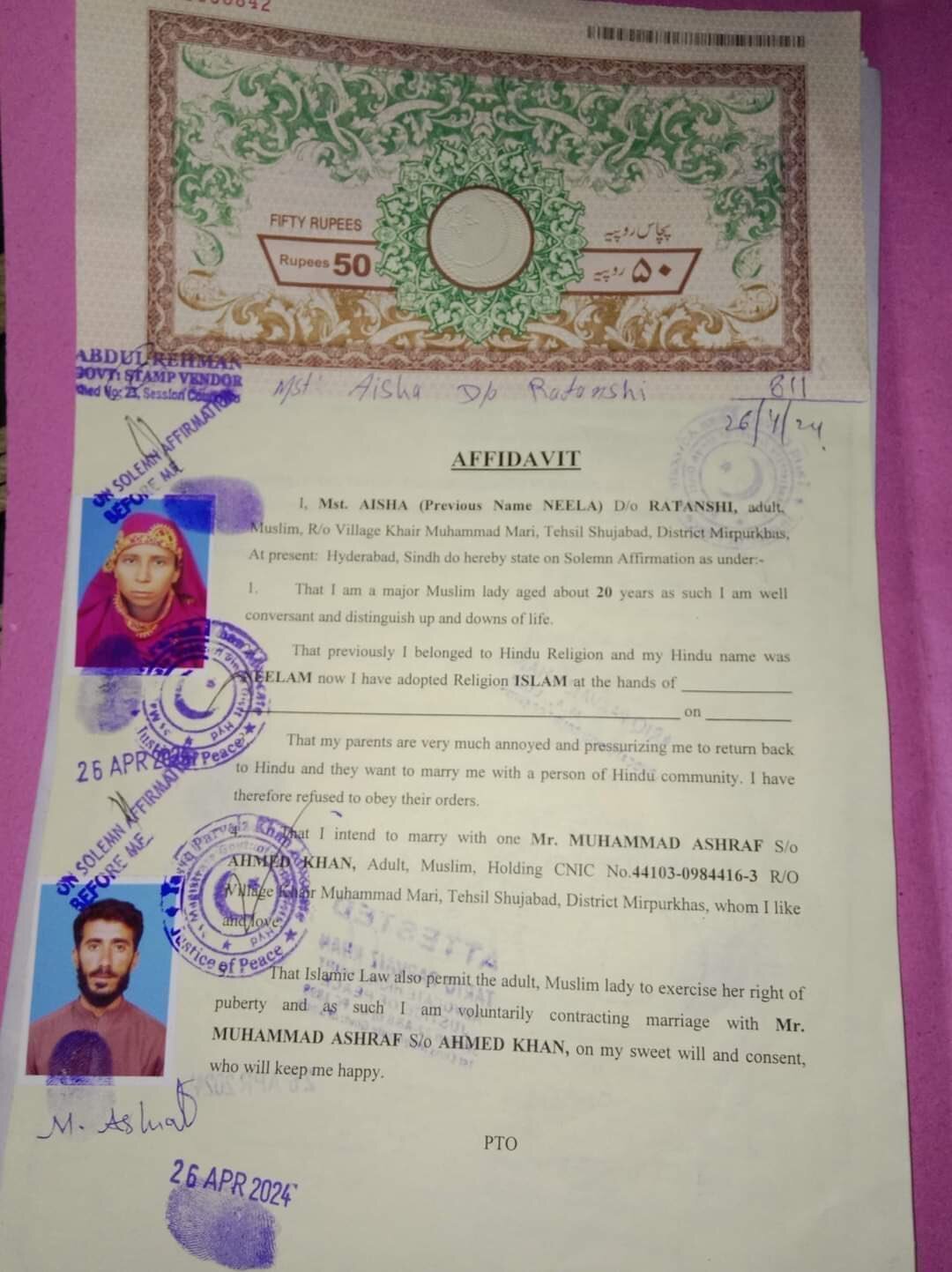
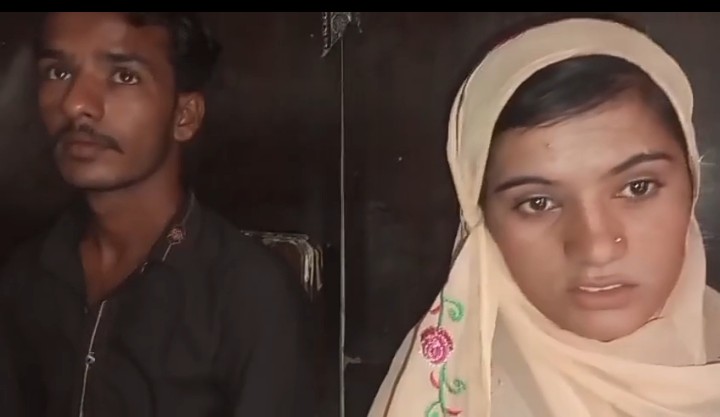
Police later traced Rida outside Lahore. However, on April 30, the accused allegedly produced the child before a magistrate’s court along with documents claiming that she had converted to Islam and willingly married him.
Human rights advocates say this pattern has become increasingly common in cases involving underage Christian and Hindu girls in Pakistan.
According to legal observers, alleged abductors often present conversion certificates and marriage documents shortly after a disappearance in order to frame the case as consensual.
Court Sends Minor to Shelter Home Instead of Parents
Although the magistrate reportedly acknowledged that Rida was a minor, the court did not return her to her parents.
Instead, she was sent to Dar-ul-Aman, a government-run shelter home, pending further legal proceedings.
The ruling has triggered strong criticism from lawyers and child rights advocates, who argue that the decision violated basic child protection principles and ignored the legal rights of the parents as guardians of a minor child.
Rida’s mother, Sobia Munir, described the pain and helplessness her family has endured since the abduction.
“I go out to work only to feed my children, but in doing so, I feel helpless and blame the situation for forcing me to leave my children unattended. It is my misfortune that poverty has compelled me to step out.”
She said Rida’s younger siblings continue asking when their sister will return home.
Poverty and Vulnerability
Rights groups say the case highlights how poverty and social vulnerability place minority families at heightened risk.
Danish Barkat and Sobia Munir reportedly work extended hours simply to afford rent and food, leaving little opportunity for supervision or education for their children.
Advocates argue that perpetrators frequently target economically vulnerable Christian and Hindu families, especially when children are left alone while parents work.
The case emerged shortly after renewed debate surrounding the controversial Federal Shariat Court ruling connected to the case of Maria Shahbaz, another Christian minor whose alleged abduction and forced conversion drew international concern.
Human Rights Activists Condemn Court Ruling
Senior human rights activist and minority rights advocate Napoleon Qayyum strongly criticized the magistrate’s decision to place the child in Dar-ul-Aman rather than returning her to her parents.
“The court, fully knowing that the child was a minor, did not return the child to her parents. The court did not possess any right to send a 14-year-old child to Dar-ul-Aman.”
Qayyum argued that the magistrate should instead have enforced the Punjab Child Marriage Restraint Act 2026, which prohibits marriage below the age of 18.
He further stated that authorities should investigate not only the alleged abductor but also those involved in conducting or facilitating any unlawful marriage ceremony.
“If Rida was below the legally prescribed age, any alleged marriage would be unlawful and would amount to a violation of the Punjab Child Marriage Restraint Act 2026. A child marriage cannot be validated merely through subsequent statements.”
Qayyum also called for improved judicial training regarding human trafficking, coercion, minority rights, and child protection laws.
Legal Experts Raise Questions Over Consent
Legal experts involved in the case argue that statements recorded before magistrates cannot automatically establish free consent — particularly when the individual involved is a minor allegedly under the influence or control of the accused.
Advocate Alexander, speaking on the legal implications of the case, emphasized that a statement recorded under Section 164 of the Criminal Procedure Code does not remove the state’s responsibility to ensure the child’s safety and lawful custody.
He warned that any statement made under pressure, fear, or coercion must face strict judicial scrutiny.
The advocate further stressed that any religious conversion must be voluntary, informed, and entirely free from intimidation or manipulation.
He cited constitutional guarantees relating to:
- Security of person
- Human dignity
- Equality before law
- Freedom of religion
- Protection of minorities
According to legal representatives, potential remedies may include:
- Criminal proceedings under child marriage laws
- Restoration of lawful custody to parents
- Legal challenge to the alleged marriage
- Constitutional petitions before the High Court
“The paramount consideration in law must remain the best interests of the child,” Advocate Alexander said.
HARDS Pledges Legal Battle
The Humanitarian Action for Rights & Development Society (HARDS) has taken up the case and pledged full legal support for the family.
Humanitarian Action for Rights & Development Society Director Sohail Habel said the organization intends to challenge both the alleged conversion and marriage documents as well as the magistrate’s ruling.
“We are standing with the family. HARDS will handle the case and look after the legal battle. We will make sure to rescue the girl and return her to her parents.”
He added that the organization is prepared to pursue the matter to the Supreme Court if necessary.
“We will ensure the abductor is not merely arrested but punished for abduction, forcibly changing a minor’s religion, and marrying a minor. We will challenge the ruling of the Magistrate even if we have to go to the Supreme Court, as the ruling was unlawful.”
A Pattern Repeated Across Pakistan
Community leaders and rights groups insist that Rida’s case reflects a broader and deeply troubling pattern affecting minority girls across Pakistan.
Advocates describe a recurring sequence:
- Abduction of a minor girl
- Sudden production of conversion documents
- Marriage certificates presented in court
- Statements recorded before magistrates under disputed circumstances
- Delayed reunification with families
Human rights defenders warn that unless stronger safeguards and judicial accountability mechanisms are implemented, such incidents will continue.
The growing fear among Christian families in Lahore and other parts of Pakistan has intensified concerns regarding the safety of underage girls from vulnerable communities.
Rida Remains in Shelter Home
As of publication, Rida remains in Dar-ul-Aman while legal proceedings continue.
Her family, supported by HARDS and legal advocates, says it will continue pursuing every available legal avenue to secure her return.
Rights organizations say the outcome of the case could become a significant test of Pakistan’s commitment to child protection, minority rights, and the enforcement of laws against child marriage.
For more updates and detailed coverage of this case and other issues affecting the Minor communities in Pakistan,