SINDH🇵🇰 | November 8, 2026
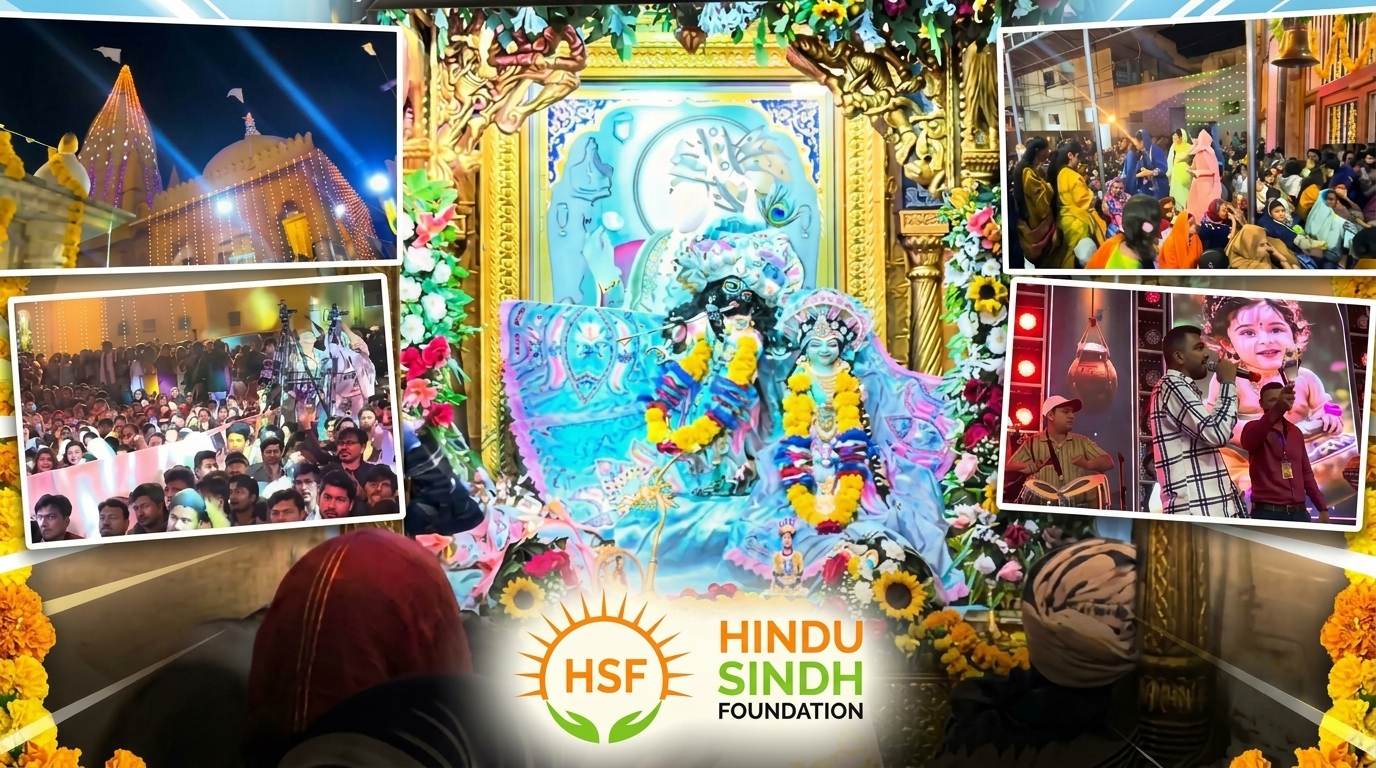
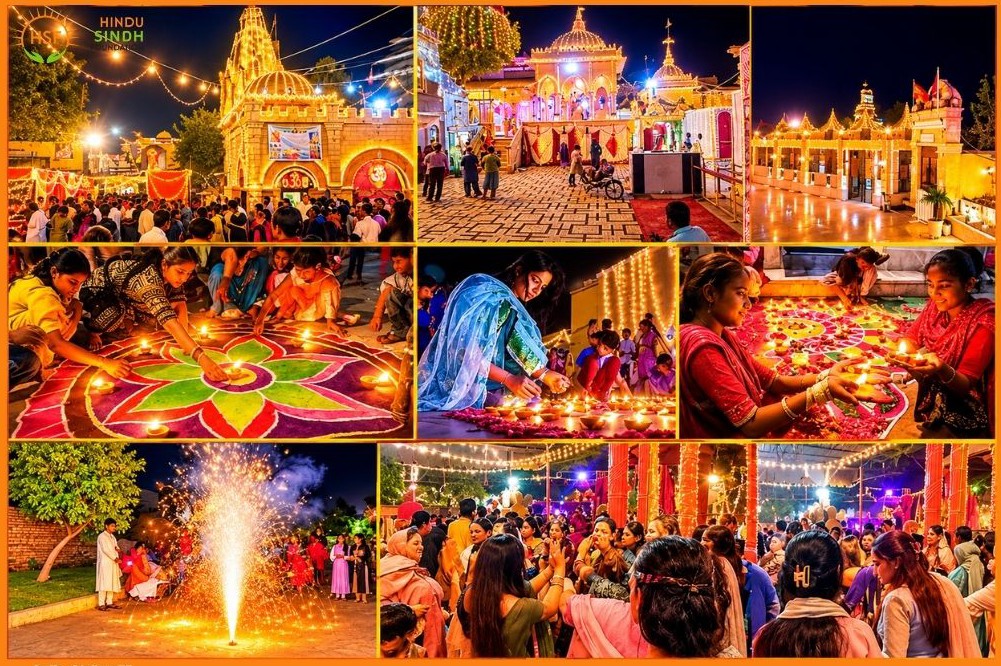
The Hindu community across Karachi and other parts of Sindh is celebrating Diwali 2026, the festival of lights, with religious devotion, traditional rituals and festive gatherings on Sunday. Homes and temples are being illuminated with traditional oil lamps, candles and colourful decorative lights as families come together to mark one of the most significant occasions in the Hindu religious calendar.
The celebrations are taking place across Sindh, particularly in Karachi and the Hindu-majority districts of Tharparkar, where Diwali holds deep religious, cultural and social significance. Families observe the occasion through prayers, the lighting of diyas, the exchange of sweets and gifts, and gatherings with relatives and friends.
Karachi Celebrations: Temples, Diwali Bazaars and Community Gatherings
Karachi witnessed vibrant Diwali celebrations, with the historic Shri Swaminarayan Temple on M.A. Jinnah Road serving as one of the central locations for religious activities. Worshippers gathered to offer prayers, light traditional earthen lamps and celebrate the occasion with their families.
Several Diwali markets and festive bazaars were also organised across the city, providing residents with traditional diyas, decorative items, sweets, gifts and other festive essentials. Among the reported venues were the Faizy Rameen Auditorium, the area behind Shri Swaminarayan Temple, Shri Ratneshwar Mahadev Temple in Clifton and Port Grand.
The celebrations also reflected Karachi’s multicultural character, as members of other religious communities joined Hindu families in sharing sweets, lighting lamps and exchanging greetings. Such participation highlighted the importance of mutual respect, religious tolerance and peaceful coexistence.
Karachi Mayor Barrister Murtaza Wahab also visited the historic Swaminarayan Temple with his family on November 9, met members of the Hindu community and distributed sweets. He later attended a fireworks ceremony organised at the Karachi Metropolitan Corporation’s main office, conveying a message of unity and interfaith harmony.
Celebrations Across Sindh, Particularly Tharparkar
Beyond Karachi, Diwali was celebrated in different parts of Sindh, including Hindu-majority areas of Tharparkar. Communities in Mithi and surrounding towns observed the festival with traditional prayers, illuminated homes, family gatherings and cultural festivities.
For Hindu families in Tharparkar, Diwali is not merely a religious occasion but also an important expression of cultural identity, heritage and community relationships. The festival brings families and relatives together, strengthens social bonds and provides an opportunity to pass traditional customs and religious values on to younger generations.
Preparations included cleaning and decorating homes, arranging traditional sweets, purchasing new clothes and lighting rows of clay lamps. In several communities, neighbours from different religious backgrounds also shared festive greetings and participated in the celebrations.
Sindh Government Announces Security and Administrative Arrangements
The Sindh government announced special arrangements to facilitate peaceful and secure Diwali celebrations across the province.
Sindh Government Spokesperson Sukhdev Assardas Hemnani said that, under the directions of Chief Minister Syed Murad Ali Shah, authorities had been instructed to ensure appropriate arrangements for celebrations from November 8 to 10.
Police officials across Sindh were directed to strengthen security at Hindu temples, places of worship, community spaces and religious gatherings. The chief minister also directed relevant authorities to coordinate with electricity distribution companies to help ensure an uninterrupted power supply in Hindu neighbourhoods and at places of worship.
The provincial government reiterated its commitment to protecting minority rights, ensuring religious freedom and promoting interfaith harmony.
November 9 Public Holiday
The Sindh government also announced Monday, November 9, as a public holiday on the occasion of Allama Iqbal Day. The official notification applied to government offices, autonomous bodies, corporations and local councils across the province, except essential services.
The holiday coincided with the Diwali festivities, giving many families additional time for religious observances and celebrations. The government spokesperson also described the date as a holiday facilitating the Hindu community.
President Zardari and Prime Minister Shehbaz Sharif Extend Diwali Greetings
President Asif Ali Zardari and Prime Minister Shehbaz Sharif extended warm greetings to the Hindu community in Pakistan and around the world on the occasion of Diwali.
In his message, President Zardari described Diwali as a celebration of the triumph of good over evil, light over darkness and hope over despair. He emphasised that protecting the rights of religious minorities was a shared national responsibility.
The president also acknowledged the valuable contributions of Pakistan’s Hindu community to education, healthcare, business, public service, social welfare, arts and culture.
He reiterated that every citizen should have the freedom to practise their religion, live with dignity and enjoy equal protection under the law.
Prime Minister Shehbaz Sharif also extended heartfelt felicitations to Hindus, particularly those living in Pakistan. He said Diwali symbolised the victory of light over hatred, intolerance and despair, while conveying an important message of peaceful coexistence.
The prime minister described the Hindu community as an integral part of Pakistan’s national fabric and reaffirmed the government’s commitment to safeguarding the rights, dignity and religious freedoms of all citizens, regardless of their faith or background.
Religious Significance and Traditions of Diwali
Diwali, also known as Deepawali, is one of the most important festivals in Hinduism. The festival is traditionally celebrated during the Hindu lunar month of Kartik and is associated with the new-moon night, known as Amavasya.
The festival symbolises the triumph of good over evil, knowledge over ignorance and light over darkness.
One of its most widely recognised religious traditions commemorates the return of Lord Rama to Ayodhya after 14 years of exile and his victory over Ravana. According to the traditional account, people illuminated their homes and streets with oil lamps to welcome Rama, Sita and Lakshmana.
Another important aspect of Diwali is Lakshmi Puja, during which devotees worship Goddess Lakshmi, who is associated with wealth, prosperity and good fortune.
Families traditionally clean and decorate their homes, create colourful rangoli designs, light clay diyas, offer prayers and exchange sweets and gifts. Fireworks and festive meals also form part of celebrations in many communities.
A Message of Unity, Peace and Religious Harmony
Diwali 2026 celebrations across Karachi and Sindh once again highlighted the province’s rich cultural and religious diversity.
The participation of people from different religious backgrounds, along with messages from political leadership and government representatives, underscored the importance of mutual respect and peaceful coexistence.
As the lights of Deepawali illuminate homes, temples and neighbourhoods, the festival carries a message that extends beyond religious boundaries: the importance of kindness, compassion, hope and humanity.
The celebrations concluded with prayers and good wishes for peace, prosperity, happiness and a brighter future for Pakistan and its people.
For more updates and detailed coverage of this case and other issues affecting the Hindu and Sindhi communities in Sindh, Pakistan, stay tuned to Sindh Renaissance.