Reports from Pakistan: Tracing the Challenges Facing Religious Minorities in South Asia
Pakistan was founded in 1947 as a homeland for Muslims in the Indian subcontinent, but it also inherited a rich mosaic of religious communities, including Hindus, Sikhs, Christians, Parsis and others. Among these groups, Hindus remain the largest religious minority in the country. Yet over the decades, the demographic, political and social position of Pakistan’s Hindu population has changed dramatically.
Today, the condition of Hindus in Pakistan reflects a complex reality — one shaped by history, migration, discrimination, economic hardship, and, at times, examples of coexistence and tolerance. While many Pakistani Hindus continue to live peacefully alongside Muslim communities, particularly in Sindh province, reports from human rights organizations and activists point to serious challenges that continue to affect minority communities.
A Community Reduced by History
The Partition of British India in 1947 triggered one of the largest migrations in human history. Millions of Muslims moved into the newly created Pakistan, while Hindus and Sikhs fled from Pakistan into India. Before Partition, non-Muslims made up a substantial share of the population in regions that became Pakistan. However, within a decade, the demographic landscape changed dramatically.
According to historical records, non-Muslims accounted for around 20 percent of the population in what was then West Pakistan in 1941. By 1951, that figure had dropped sharply due to migration and communal violence following Partition. Today, Pakistan’s Hindu population is concentrated mainly in the southeastern province of Sindh, especially in districts such as Tharparkar, Umerkot and Mirpurkhas.
Recent estimates vary regarding the exact size of the Hindu population. Some reports place the figure at approximately 2.5 million, while others suggest it could exceed 5 million depending on census classifications and methodology. Debates over official census figures remain common in Pakistan.
Sindh: A Symbol of Harmony and Tension
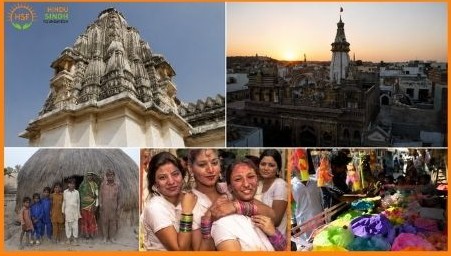
Sindh has historically been regarded as one of Pakistan’s more culturally diverse and religiously tolerant regions. The province has a long tradition of Sufi Islam, which emphasizes coexistence and spirituality. In towns such as Mithi in Tharparkar District, Hindus and Muslims have often celebrated festivals together and maintained close social ties.
The Sindh provincial government has at times taken symbolic steps toward inclusion. In 2016, Sindh became the first province in Pakistan to officially recognize the Hindu festival of Holi as a public holiday.
However, despite these examples of coexistence, tensions have increased in recent years. Human rights reports describe growing religious polarization, discrimination and mob violence targeting minority communities.
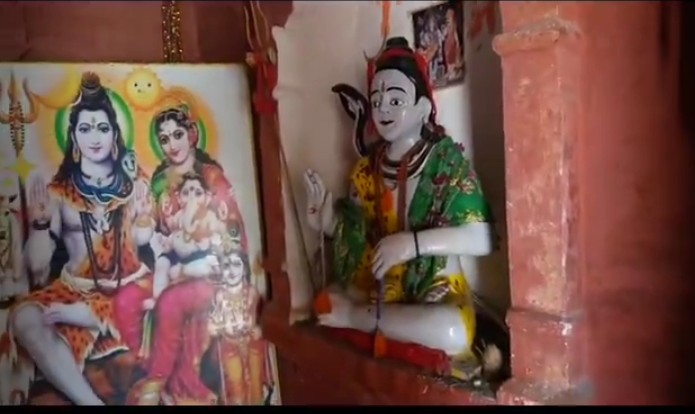
Several attacks on Hindu temples and properties have been documented over the years. In Sindh’s Larkana district, a Hindu temple was set on fire following allegations of desecration of the Qur’an. Similar incidents were later reported in Hyderabad and Ghotki, where blasphemy accusations led to violent unrest and attacks on Hindu residents.
Forced Conversions and Abductions
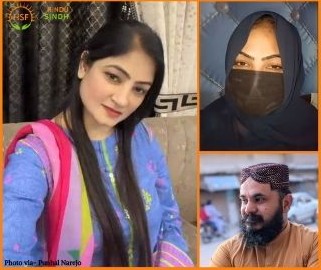
One of the most sensitive and controversial issues facing Pakistan’s Hindu community is the reported abduction and forced conversion of Hindu girls and women.
Human rights organizations, activists and international observers have repeatedly raised concerns over cases in which underage Hindu and Christian girls were allegedly abducted, converted to Islam, and married against their will. The issue is particularly severe in rural Sindh, where poverty, weak law enforcement and social marginalization increase vulnerability.
In April 2026, United Nations experts expressed “serious concern” over the continued abduction and forced religious conversion of minority women and girls in Pakistan. According to UN findings, nearly 75 percent of victims in reported cases were Hindu, while almost 80 percent of incidents occurred in Sindh province.
The European Union Agency for Asylum also documented dozens of cases involving abduction, forced conversion and forced marriage of minority girls in Pakistan during 2024 and 2025.
At the same time, some Pakistani researchers and religious scholars dispute the scale or characterization of these allegations. Studies published by organizations such as the Institute of Policy Studies (IPS) argue that many conversions are voluntary and connected to marriage or social mobility rather than coercion.
This debate remains deeply contested inside Pakistan, with activists insisting that social pressure, legal loopholes and fear often prevent victims from speaking freely.
Migration and the “Hindu Exodus”
Economic hardship, insecurity and discrimination have also contributed to migration among Pakistan’s Hindus. Human Rights Commission of Pakistan (HRCP) reports suggest that many Hindu families, especially from Sindh, continue to leave the country or seek temporary refuge in India.
A 2025 HRCP fact-finding report highlighted that violence, extortion, forced conversions, climate pressures and weak law enforcement were among the main factors pushing Hindu communities toward migration.
Upper-caste Hindu traders and business owners have reportedly faced kidnappings for ransom and threats from criminal gangs in some areas. Meanwhile, lower-caste Hindu communities, particularly Dalits, often experience bonded labor, poverty and exclusion from education and healthcare.
Legal Reforms and Government Response
Pakistan has introduced several legal reforms aimed at improving minority rights. The Sindh government passed the Hindu Marriage Act in 2016, followed by federal legislation recognizing Hindu marriages nationwide. These laws were considered important because they provided legal recognition and documentation for Hindu families, particularly women.
Discussions around legislation specifically targeting forced conversions have also taken place in the Sindh Assembly. However, implementation and enforcement remain inconsistent.
Pakistan’s Constitution formally guarantees freedom of religion, and minority representatives continue to serve in parliament and provincial assemblies. Nevertheless, rights organizations argue that practical protections remain weak, especially in rural areas where local power structures often overshadow the rule of law.
Beyond Religion: Economic and Social Marginalization
The struggles facing Pakistani Hindus are not solely religious. Economic and social factors also play a major role.
Many Hindu communities live in areas vulnerable to poverty, drought and lack of infrastructure. In urban areas, Hindu neighborhoods and temples are sometimes located on commercially valuable land, leading to allegations that intimidation or violence may be used to pressure communities into displacement.
Education remains another major challenge. Minority students often report discrimination in schools, while textbooks and curricula have been criticized for lacking inclusivity regarding non-Muslim communities.
Dalit Hindus, in particular, face double discrimination — both as religious minorities and as members of historically marginalized caste groups.
A Complex Reality
The story of Hindus in Pakistan cannot be reduced to a single narrative. Alongside documented cases of violence and discrimination are also examples of coexistence, shared culture and interfaith solidarity.
In many parts of Sindh, Hindus continue to contribute actively to Pakistani society as teachers, doctors, traders, politicians and civil servants. Festivals such as Diwali and Holi are celebrated openly in several cities, and many Muslim Pakistanis publicly support minority rights.
At the same time, concerns over forced conversions, mob violence, blasphemy accusations and migration continue to attract international attention. Human rights advocates argue that Pakistan’s future as a diverse society will depend on stronger legal protections, better enforcement of minority rights, educational reforms and greater social tolerance.
For South Asia as a whole, the condition of religious minorities remains a critical test of democratic values and human rights. The experiences of Pakistan’s Hindu community reflect broader regional challenges involving identity, nationalism and coexistence in a deeply diverse region.
As debates continue inside and outside Pakistan, the voices of ordinary Hindu families — seeking safety, dignity and equal citizenship — remain central to understanding the reality behind the headlines.
The incident continues to draw strong reactions on social media, where users are demanding accountability and protection for vulnerable communities in Sindh.