KARACHI🇵🇰 Hindu communities across Pakistan, particularly in Sindh, are preparing to observe Sharad Navratri 2026, the nine-night Hindu festival dedicated to Goddess Durga. The annual religious occasion is expected to bring together devotees for prayers, traditional rituals, fasting, devotional music and community gatherings at temples and places of worship.
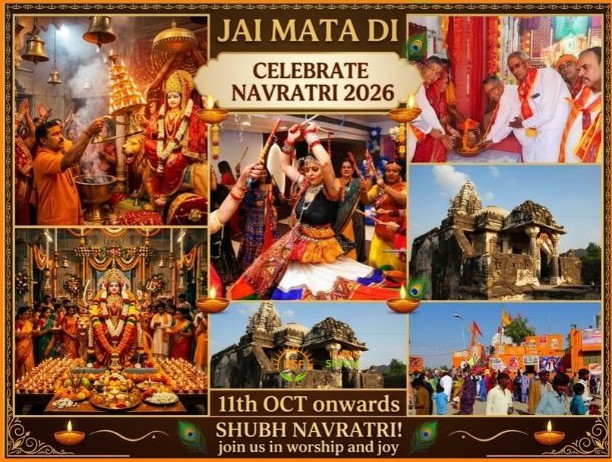
Sharad Navratri will begin on Sunday, October 11, 2026, with Ghatasthapana (Kalash Sthapana), marking the beginning of the festival. The nine nights will continue through Monday, October 19, followed by Vijayadashami (Dussehra) on Tuesday, October 20, 2026. The dates are also reflected in the 2026 Lahore Hindu calendar.
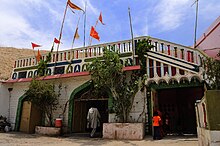
As the festival approaches, attention is turning towards Sindh, a province with a longstanding Hindu cultural and religious heritage. Historic temples in Umerkot, Tharparkar, Nagarparkar and other parts of the province remain important symbols of the region’s religious traditions and community identity.
Sindh’s Historic Temples: Centres of Religious and Cultural Heritage


Among the notable locations are:
-
Shiv Temple, Umerkot: Located approximately six kilometres from Umerkot city, this historic temple is an important place of worship for the local Hindu community. It has a courtyard, a main shrine and community facilities. The temple is also associated with an annual Shiva festival.
-
Kali Mata Temple, Umerkot: Situated near Moti Chowk, this temple is listed among the Hindu places of worship in the district.
-
Temples of Tharparkar: The wider Tharparkar region, including Nagarparkar, has a rich religious and architectural heritage, reflecting centuries of Hindu cultural traditions.
These sites provide an important cultural backdrop to the upcoming festival. However, individual temple programmes and Navratri celebrations should be confirmed with their respective management committees.
Nine Nights of Worship and Religious Observances


During the festival, devotees traditionally observe fasting, perform daily prayers, offer flowers and fruits, light traditional oil lamps and recite religious scriptures.
The main religious observances include:
-
Ghatasthapana: Establishment of the sacred Kalash on the opening day.
-
Daily Durga Puja: Worship of the nine manifestations of Goddess Durga.
-
Fasting and prayers: Devotees follow fasting practices according to family and regional traditions.
-
Maha Ashtami and Maha Navami: Important days marked by special prayers and religious ceremonies.
-
Vijayadashami: The tenth day, symbolising the victory of good over evil.
In 2026, the Lahore-based Drik Panchang calendar places Maha Ashtami and Maha Navami observances on October 19, with Vijayadashami on October 20. Local religious authorities may confirm observance timings according to their respective traditions.
Preparations and Community Participation in Pakistan


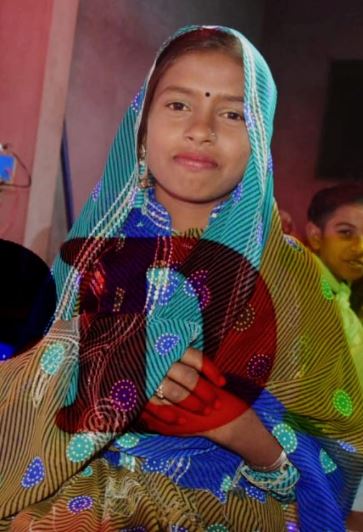
In Sindh, where Hindu communities have maintained religious and cultural traditions across generations, Navratri also represents an opportunity for families to come together and pass their customs to younger generations.
Community participation may include devotional singing, bhajans, religious discussions and traditional cultural activities, depending on local arrangements.
For Hindu families living in Karachi, Hyderabad, Umerkot, Mirpurkhas, Tharparkar and other districts, the festival is also an occasion to maintain connections with ancestral traditions and places of worship.
No province-wide Navratri programme or temple-specific schedule has yet been independently confirmed for 2026, so devotees should check announcements from local Hindu panchayats and temple committees before making travel arrangements.
Beyond Sindh: Religious Heritage in Neighbouring Regions

Hinglaj Mata holds a special place in Hindu religious tradition and attracts pilgrims from different parts of Pakistan and abroad during its annual pilgrimage.
Although the Hinglaj pilgrimage is a distinct religious observance and should not be confused with the Sharad Navratri programme, it illustrates the wider historical and spiritual significance of Hindu sacred places in Pakistan.
Sharad Navratri is more than a religious festival for its devotees. It is an expression of faith, cultural identity, family traditions and community heritage.
For Hindu communities in Pakistan, particularly in Sindh, the upcoming nine-night celebration offers an opportunity to preserve longstanding religious practices and maintain connections with historic places of worship.
As October 11 approaches, devotees will look towards the beginning of Navratri with prayers and preparations, while October 20 will mark Vijayadashami, the traditional celebration of the victory of good over evil.
The festival also highlights the historical and cultural diversity of Pakistan, where different religious communities continue to maintain their traditions and heritage.