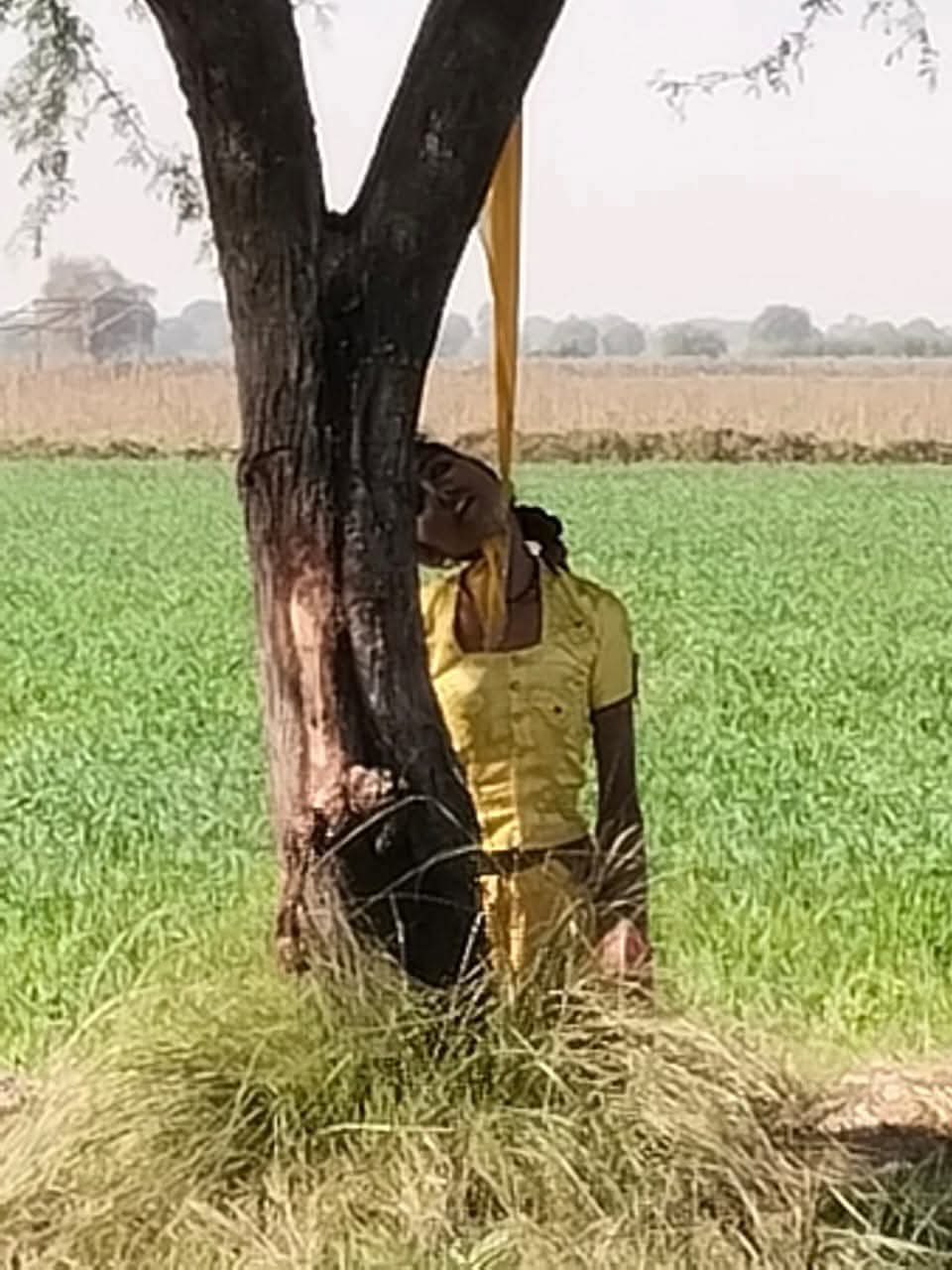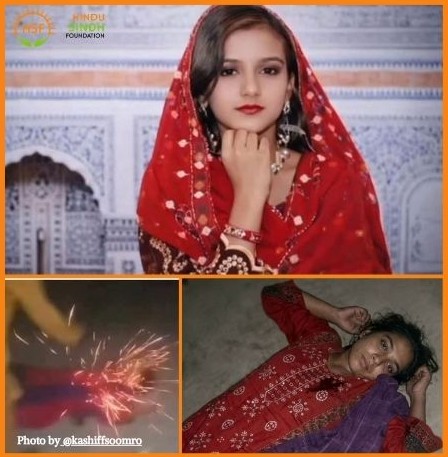
The recent incident near Gambat has sent shockwaves across the region, highlighting a deeply troubling reality that continues to haunt parts of society. The brutal public killing of a young girl, Rubina Khalida Chandio, over a baseless and cruel accusation of being “Kari,” stands as a stark reminder of the persistent menace of so-called honor-based violence.
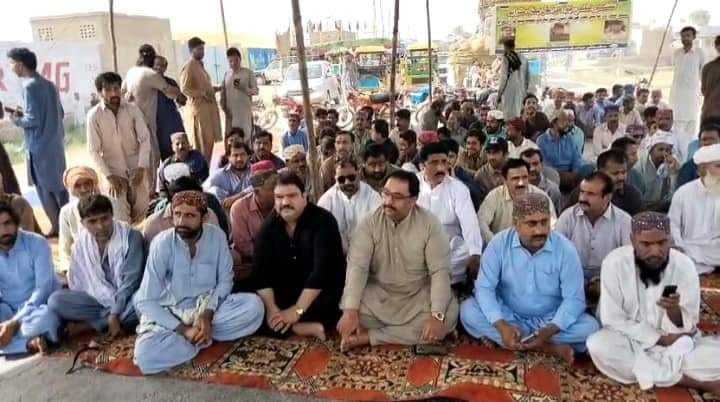
Eyewitness accounts and local reports describe a horrifying scene in Tando Masti, where hundreds of villagers allegedly gathered and openly demanded the killing of the woman. Despite Rubina’s repeated pleas for mercy and her desperate attempts to assert her innocence, no one stepped forward to intervene. Her cries went unheard, raising painful questions about collective silence and societal complicity.
Such acts, often misrepresented as “honor killings,” are in reality nothing short of cold-blooded murder. Neither tradition nor cultural norms can justify the taking of an innocent life. Both Islamic teachings and the Constitution of Pakistan clearly define such acts as grave sins and serious crimes. The misuse of labels like “Kari” only serves to mask brutality under a false pretense of morality.
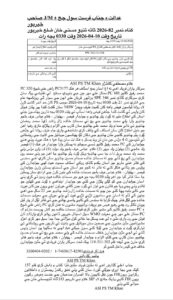
The incident also casts serious doubt on the effectiveness of law enforcement. According to the First Information Report (FIR) filed by Khairpur police, officers reached the scene upon receiving information. The report claims that the woman was declared a “witch” in their presence and was subsequently shot, after which the accused fled. The FIR further states that the injured woman succumbed to her wounds after writhing in pain.
This account raises critical concerns: if the police were present at the scene, why were the perpetrators not apprehended? Why was immediate medical assistance not provided to the victim? These unanswered questions point toward possible negligence and underline systemic weaknesses in law enforcement response.
This tragic incident is not an isolated case but part of a broader pattern of violence that continues to persist in certain areas of Sindh. Despite legal frameworks and public awareness, such heinous acts have yet to be eradicated.
The killing of Rubina Khalida Chandio is more than just a singular tragedy—it is a reflection of societal failure. It demands urgent introspection, stronger enforcement of laws, and a collective commitment to ensuring that such ظلم (oppression) finds no place in our communities.
Until then, the silence of bystanders and the inefficacy of institutions will remain as troubling as the crime itself.