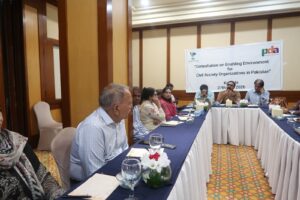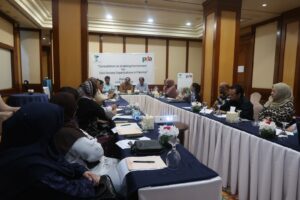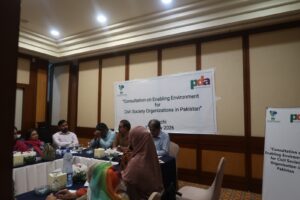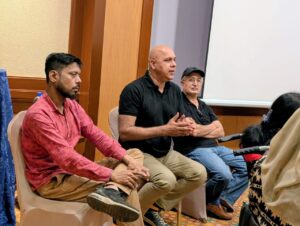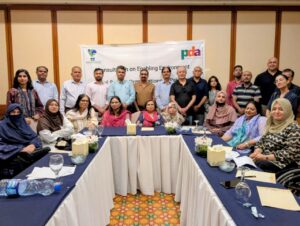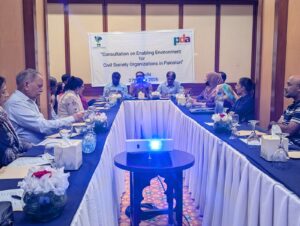
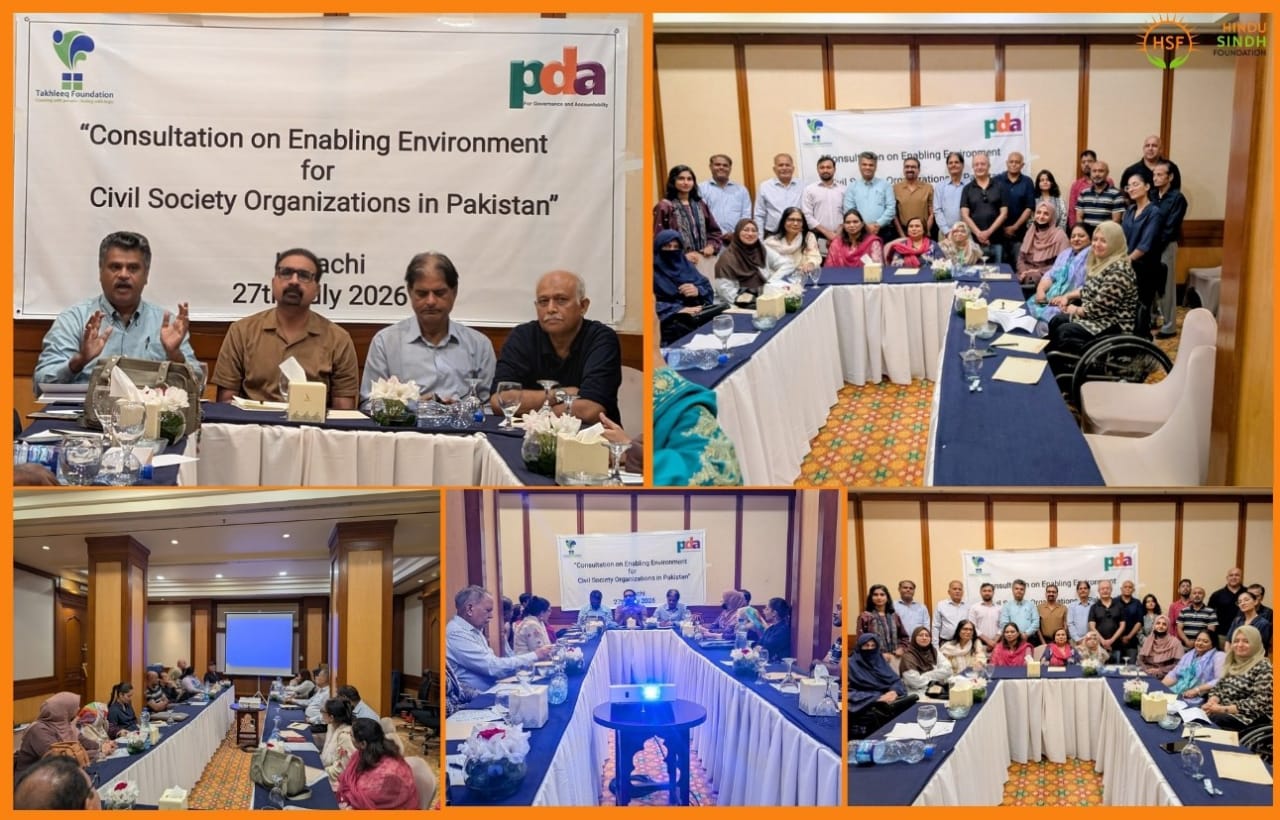
Sindh Karachi, July 27, 2026: Representatives of civil society organizations (CSOs), development practitioners, and social sector stakeholders gathered in Karachi on Monday to participate in a consultation on “Enabling Environment for Civil Society Organizations (CSOs) in Pakistan,” held at Avari Towers Hotel. The event focused on addressing the legal, regulatory, and operational challenges confronting Pakistan’s nonprofit sector and identifying practical reforms to strengthen civil society.
The consultation was jointly organized by AwazCDS-Pakistan in collaboration with the Takhleeq Foundation under the umbrella of the Pakistan Development Alliance (PDA). The event provided an important platform for dialogue among CSOs and stakeholders to exchange experiences, discuss policy challenges, and develop recommendations aimed at improving the operating environment for civil society organizations.
The programme began with participant registration, followed by welcome remarks and an introduction to the objectives of the consultation. During the opening session, organizers emphasized the importance of creating an enabling policy and regulatory framework that would allow civil society organizations to contribute more effectively to social development, democratic governance, and community empowerment across Pakistan.
Participants engaged in extensive discussions on key issues affecting the nonprofit sector, including organizational registration, legal recognition, regulatory and reporting requirements, No Objection Certificates (NOCs), project approvals, taxation and financial compliance, banking procedures, coordination with government institutions, and policy reforms. The consultation also encouraged participants to share field experiences and propose practical recommendations to improve the legal and operational environment for CSOs.
Among the participating organizations was the Hindu Sindh Foundation, represented by its Coordinator, Sunil Kumar. During the consultation, Kumar highlighted the Foundation’s social welfare initiatives, particularly its work in Sindh to improve access to education for underprivileged children, promote girls’ education, and support women’s empowerment through community-based development programmes. He emphasized the importance of inclusive development and equal opportunities for marginalized communities, noting that civil society organizations play a vital role in promoting education, social harmony, and sustainable development.
The consultation concluded with the presentation of key recommendations and a discussion on the way forward. Participants reaffirmed their commitment to working collectively for a more transparent, supportive, and enabling environment for civil society organizations in Pakistan. The programme ended with closing remarks, a vote of thanks, and networking among participants.
Speaking on the occasion, the organizers reiterated that meaningful collaboration between civil society organizations, government institutions, and development partners is essential to strengthening democratic governance, promoting sustainable development, and ensuring inclusive public participation in Pakistan.
The successful consultation marked another important step towards fostering constructive dialogue and advancing policy reforms that will help strengthen Pakistan’s civil society sector and enhance its contribution to national development.