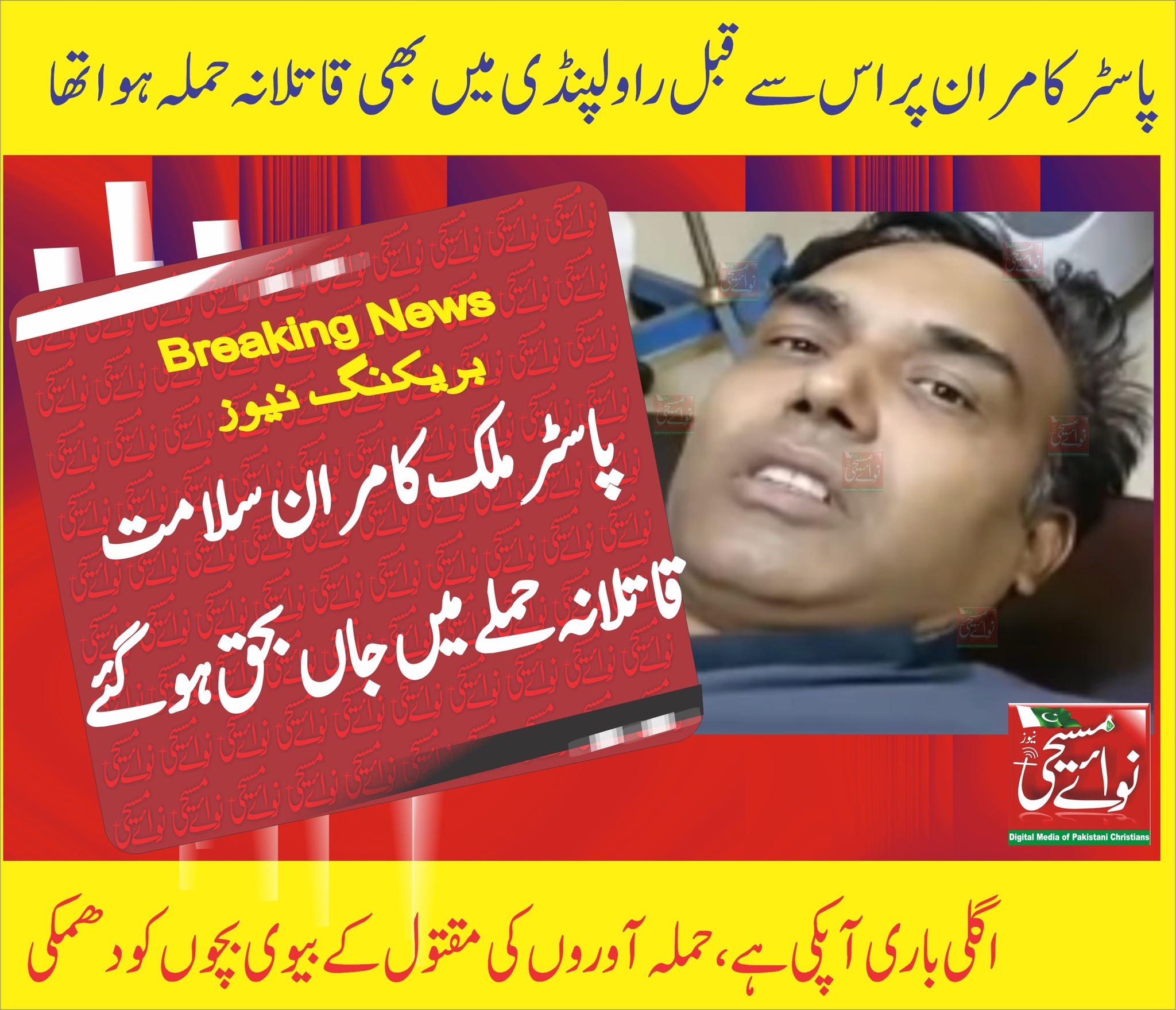
Recent events have once again shaken the confidence of religious minorities across Pakistan. The latest tragedy involves the fatal shooting of Kamran Salamat- an incident that has stirred grief, anger, and fear among Christian communities and human-rights advocates.
What Happened: A Death at a Fragile Moment
According to reports, Pastor Salamat was attacked on his way home with his children- shortly after dropping them off from school. As he stepped out of his car, a gunman opened fire and the pastor was killed on the spot. The timing of this killing is especially striking: it comes in December 2025, just as the Christian community in Pakistan begins preparing for Christmas.
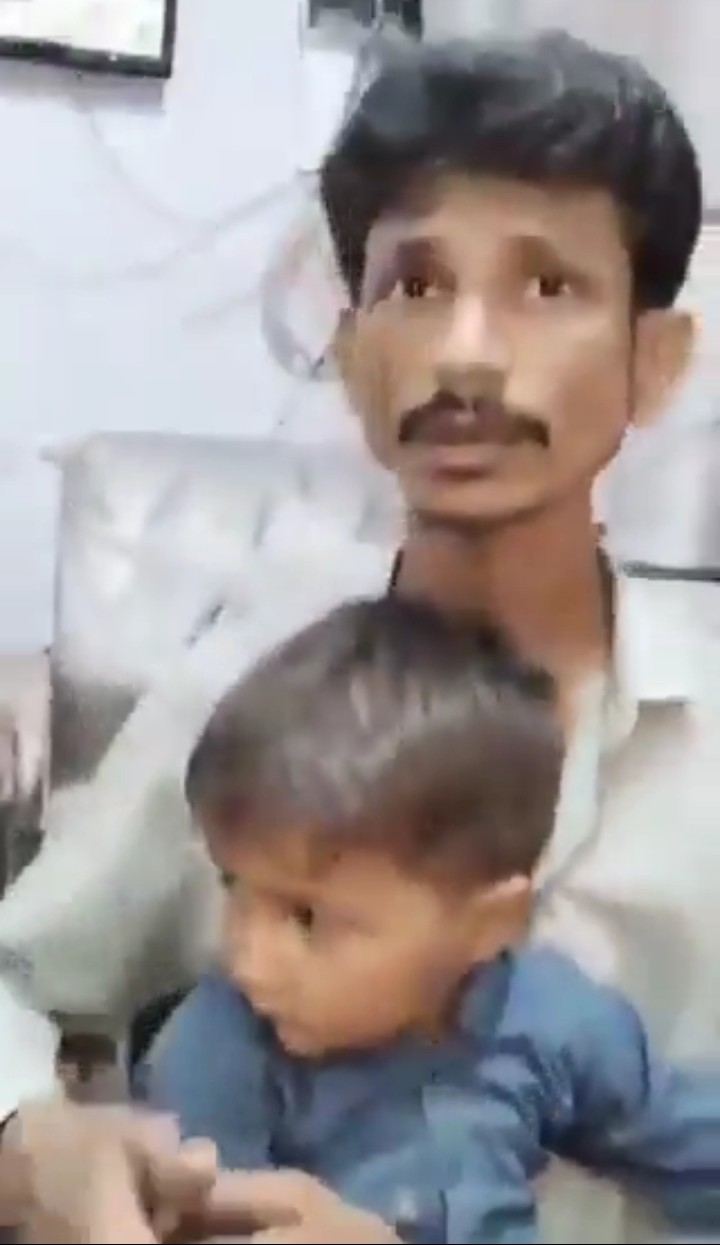
Pastor Salamat’s murder has reopened painful wounds. His family- including his wife and children- has reportedly received further threats following the killing. At a time that should be marked by peace and celebration, fear and grief have instead taken center stage.
A Pattern, Not an Exception — Context of Growing Violence
Sadly, this tragedy is not isolated. In recent months and years, multiple violent attacks against Christians and other religious minorities in Pakistan have been documented. For example:
-
In January 2025, Suleman Masih, a young Christian man in Gujranwala, was shot after months of threats and harassment related to his success in farming. His death sent shockwaves through the community.
-
Other Christians have faced brutal attacks, harassment, accusations of blasphemy, and forced displacement.
-
Organizations working on human rights have warned that abuses of anti-blasphemy laws and unchecked mob violence have created an environment where minorities live under constant threat.
These incidents collectively represent a troubling trend: minorities in Pakistan- especially religious minorities such as Hindus and Christians- are increasingly vulnerable to violence, intimidation, and discrimination.
Why This Incident Resonates Deeply
The murder of Pastor Salamat strikes a particularly emotional chord for several reasons:
-
Timing: With Christmas approaching, many Christians consider December a time of hope, faith, and community. A murder of this kind during such a period- instead of celebrations- sends a powerful message of fear.
-
Signals of Impunity: Earlier attacks against Christians, including arson, shootings, and mob violence, have often resulted in weak investigations, delayed justice, or no accountability at all. Many suspects remain free, or were released on bail after arrest.
-
Impact on Families and Communities: Beyond the individual loss, families are traumatised, entire communities feel threatened, and many feel forced to hide their identity, reduce public religious expression, or even consider migrating.
What Must Be Done- A Call for Justice, Protection, and Transparency
In light of recurring attacks against minorities- especially motivated by religion- it is urgent for authorities, civil-society organizations, and the public to respond decisively:
-
Thorough and transparent investigations: The perpetrators behind such crimes must be identified and brought to justice. The public- especially minority communities- deserve to know the truth.
-
Protection for vulnerable communities: Extra security measures should be considered, especially around religious minorities during religious holidays, and there should be safeguards against threats, harassment, and attacks.
-
Reforming laws that are prone to misuse: Many of the violent incidents are linked to misuse of discriminatory laws (e.g. blasphemy laws) or to exploitation of minority vulnerabilities. Long-term legal reforms and protections are needed.
-
Public awareness and solidarity: The broader society must recognize that attacks on minorities are not “just” community issues- they are human-rights issues. Awareness, empathy, and solidarity can help counter intolerance.
In Memory of the Fallen- And in Hope for Change
The murder of Pastor Kamran Salamat is not simply a criminal act; it is a tragic reminder of the fragile security under which many religious minorities live. It throws into sharp relief the systemic failures- of protection, justice, and equal citizenship- that allow such violence to persist.
Yet, for every atrocity committed, there is a chance for change. The Pakistani state, civil society, and ordinary citizens all have a role to play in creating a Pakistan where minorities feel safe, valued, and free- no matter their faith. On behalf of every victim and threatened community, we call for justice, accountability, and a commitment to human dignity.
For more updates and detailed coverage of this case and other issues affecting the Hindu and Sindhi communities in Sindh, Pakistan, stay tuned to Sindh Renaissance.