In Pakistan, the festive season, particularly Christmas, is often celebrated with lights, joy, and hope. However, beneath this gleaming surface lies a distressing reality for many minority communities, especially Christian women and girls, who face severe human rights violations. A recent horrifying case has brought this bitter truth into stark focus, revealing a dark side that the mainstream narrative tends to overshadow.
The Case of Sania: A Tragic Account of Abuse and Organ Trafficking
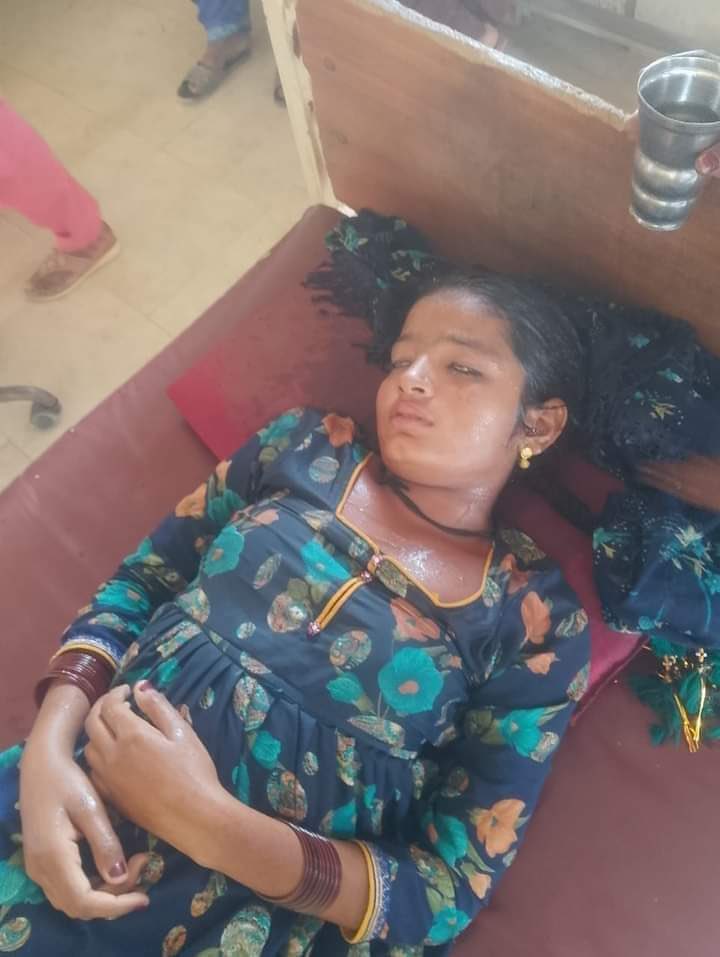
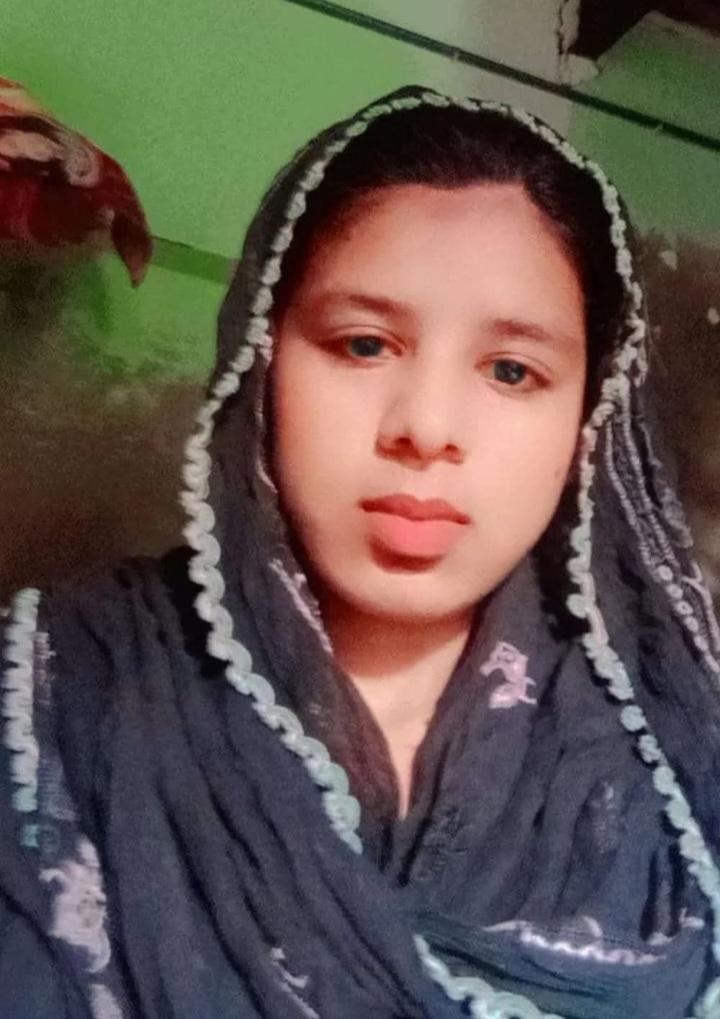
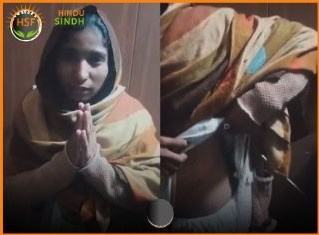
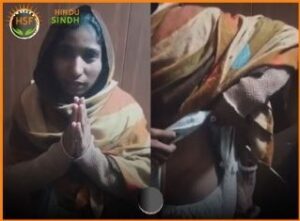
In Lahore’s Chung area, police have registered a case following a harrowing complaint by a Christian woman named Sania. According to the First Information Report (FIR), Sania was lured by a man named Mohammed Saleem with the false promise of employment. She was taken to Rawalpindi, where she was allegedly gang-raped by Saleem and his accomplices. The trauma escalated when one of her kidneys was reportedly removed illegally without her consent. The suspects allegedly gave her a meager sum of Rs50,000, a cruel token for the devastating violation she endured.Sania only became aware of the gravity of her condition when her health deteriorated significantly, prompting her to seek help from authorities. The police have initiated an investigation under relevant sections of the Pakistan Penal Code and other laws to bring the perpetrators to justice and uncover the truth behind this appalling crime.
Broader Context: Minority Rights and Safety in Pakistan
This case is not an isolated incident but part of a troubling pattern of violence and exploitation faced by religious minorities in Pakistan. According to reports from human rights organizations and local news sources, Christian and other minority women are disproportionately vulnerable to sexual violence, forced conversions, and trafficking.The Pakistani government has often been criticized for inadequate protection of minority rights and insufficient action against perpetrators. While public celebrations like Christmas present an image of harmony, many continue to live in fear of discrimination and violence. The contrast between festive cheer and the harsh reality for minorities highlights a critical need for systemic change.
The Organ Trafficking Menace
Illegal organ removal is a grim facet of human trafficking that thrives in regions with weak law enforcement and social protections. Victims are frequently deceived with false promises of employment or better living conditions, only to become prey for criminal networks. Pakistan has been identified in various reports as a source and transit country for organ trafficking, with vulnerable populations disproportionately affected.
What Needs to Be Done?
- Strengthen Legal Frameworks: Enforce stringent laws against sexual violence, trafficking, and illegal organ trade, ensuring swift justice.
- Protect Minority Rights: Implement robust measures to safeguard religious minorities and promote social inclusion.
- Raise Awareness: Increase public awareness about these issues through education and media to break the culture of silence.
- Support Victims: Provide medical, psychological, and legal assistance to survivors of abuse and trafficking.
Conclusion
The story of Sania is a chilling reminder of the urgent need to look beyond the surface of festive celebrations and confront the harsh realities faced by vulnerable communities in Pakistan. True progress lies not in glittering smokescreens but in justice, protection, and dignity for all citizens, regardless of faith or background.
For more updates and detailed coverage of this case and other issues affecting the Minor communities in Pakistan,
Stay tuned to Sindh Renaissance.