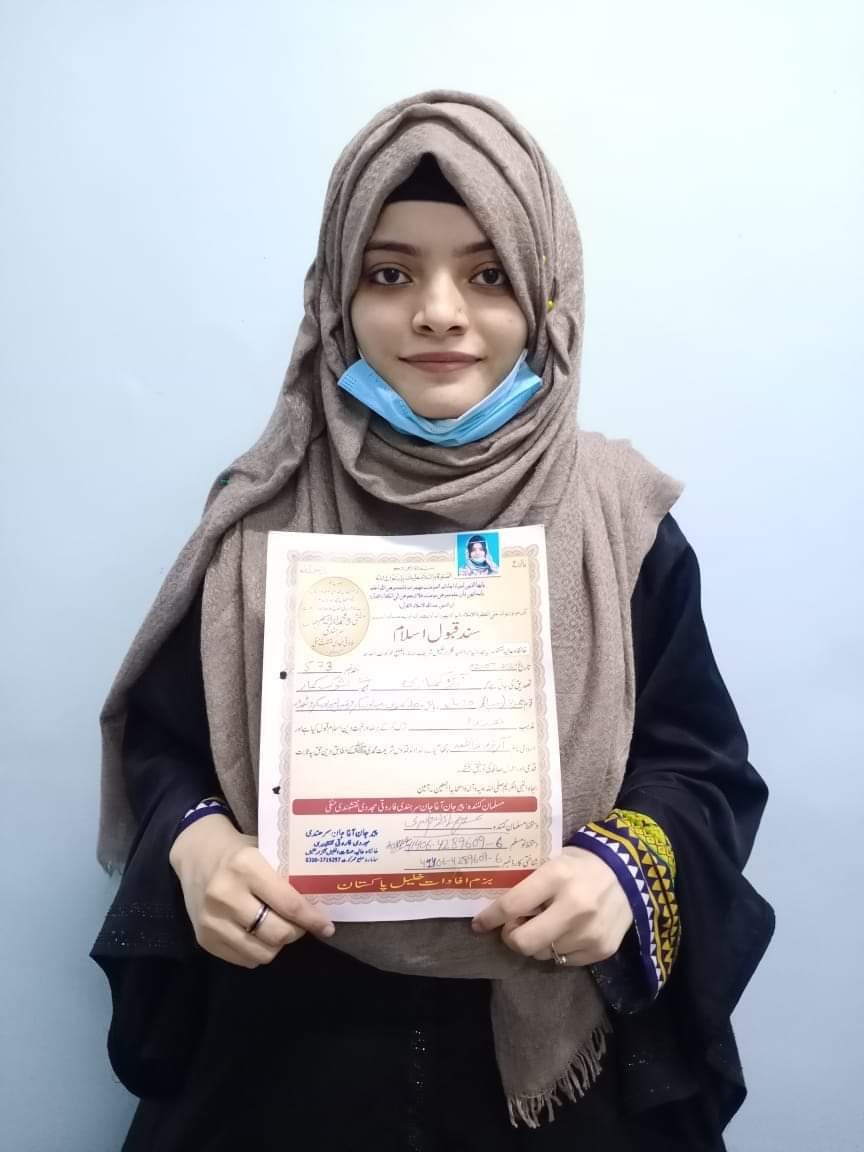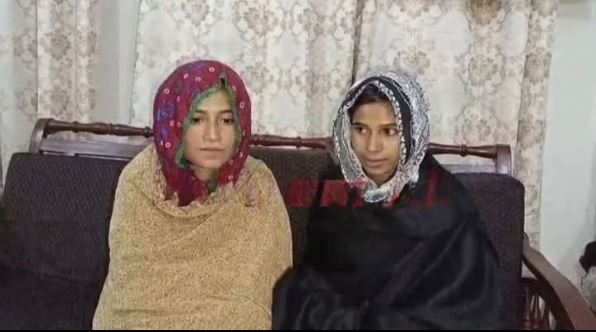
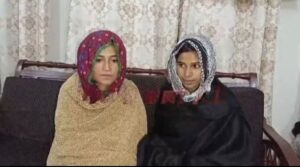
A deeply concerning case has emerged from Qutab Town, Dharki, in Sindh, where two Hindu minor cousins, identified as Babli and Papli, have reportedly been abducted and forcibly converted to Islam. According to family members and community sources, the girls were taken to Bharchundi Sharif, a religious site that has repeatedly been cited in previous allegations of forced conversions involving minority girls.
Human rights activists and members of the Hindu community have expressed serious concern over the reports, stating that the girls’ disappearance followed a familiar and troubling pattern seen in earlier cases: alleged abduction, conversion under duress, and the rapid announcement of marriages soon afterward. Reports indicate that two adult men may soon be presented as prospective grooms, raising urgent questions about coercion, consent, and the legality of any such marriages, particularly given the girls’ reported minor status.
Bharchundi Sharif has been named in multiple past complaints by families and rights groups who claim that minority girls, especially from Hindu communities, have been brought there and pressured into religious conversion. While religious freedom is a constitutional right in Pakistan, forced conversion- particularly of minors- is a serious violation of both domestic law and international human rights standards.
Activists stress that consent obtained under fear, isolation, or pressure cannot be considered genuine. They further note that minority families often face intimidation, legal obstacles, and social pressure when attempting to seek justice, which discourages many from pursuing cases through formal channels.
Civil society organizations are calling on the Sindh government, law enforcement agencies, and the judiciary to intervene immediately. They demand that the girls be produced before a competent court, that their ages be independently verified, and that their statements be recorded in a secure and pressure-free environment. Any proposed marriages, they argue, must be halted until all legal and human rights concerns are fully addressed.
Rights advocates emphasize that this issue goes beyond a single case and reflects a broader failure to protect vulnerable minority girls. They urge the state to strengthen safeguards, enforce existing laws against forced conversion and child marriage, and ensure accountability for those involved.
As further details are awaited, human rights defenders stress that the priority must remain the safety, freedom, and dignity of the girls, and the protection of minority rights under the rule of law.
For more updates and detailed coverage of this case and other issues affecting the Hindu and Sindhi communities in Sindh, Pakistan, stay tuned to Sindh Renaissance.