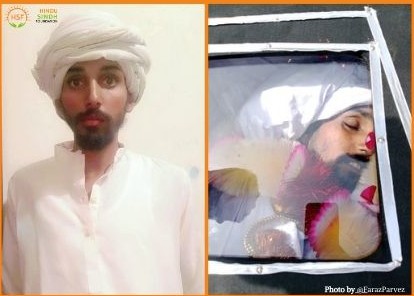
The brutal killing of a young Christian man, Salati Masih, in Lahore has triggered outrage among human rights activists and minority rights groups across Pakistan. The incident has once again raised urgent questions about the safety of religious minorities and the effectiveness of the justice system in dealing with such crimes.
A Brutal Attack in Lahore
According to reports, Salati Masih, the son of Shoukat Masih, was violently attacked and killed on 13 March 2026 in the Bao Wala area near Barki Road in Lahore. Witness accounts and preliminary reports indicate that the attackers used iron rods and a knife, inflicting fatal injuries that ultimately claimed his life.
Following the incident, police registered a First Information Report (FIR) and named suspects including Muhammad Bilal and Muhammad Awais. Authorities have confirmed that one suspect has been arrested, while efforts are ongoing to locate and apprehend the remaining accused involved in the attack.
Masih’s body was later transported to his family’s hometown in Gujranwala district, where he was laid to rest as relatives, friends, and community members gathered to mourn his tragic death.
Community Condemnation and Calls for Justice
The killing has sparked strong condemnation from church leaders and minority rights advocates. Pastor Imran Amanat described the incident as a deeply disturbing act of violence against an innocent young man, stating that such brutality shocks the conscience and demands urgent action from authorities.
Advocacy groups have called on law enforcement agencies to ensure that all perpetrators are brought to justice, stressing that the arrest of a single suspect is not enough if others involved in the attack remain free.
Concerns Over Minority Protection
The case has also reignited debate about the broader issue of religious minority protection in Pakistan. Human rights observers argue that incidents involving minority communities often face slow investigations, weak prosecution, or social pressure on victims’ families to settle cases outside the courts.
Over the years, several high-profile cases involving Christians have raised similar concerns. For example, the death of Shazia Masih, a young domestic worker in Lahore in 2010, drew international attention after allegations of torture emerged, yet the accused were later acquitted due to issues surrounding medical evidence.
Advocates say these patterns contribute to a perception that justice for minorities is frequently delayed or denied.
Demand for Accountability
Civil society organizations and Christian leaders are urging authorities to conduct a transparent and thorough investigation into Salati Masih’s killing. They stress that holding every perpetrator accountable is essential not only for justice in this case but also for restoring confidence among minority communities.
Many activists also emphasize that protecting vulnerable groups is a constitutional responsibility of the state. Without consistent enforcement of the law and equal protection for all citizens, they warn that such incidents risk becoming more frequent.
A Call for Justice
As the investigation continues, Salati Masih’s family and supporters are demanding swift legal action against all those responsible for his death. The tragedy has become a rallying point for those advocating stronger protections for minorities and a more effective justice system.
For many observers, the central question remains:
Will this case finally deliver justice, or will it become another example of a crime that fades without full accountability?
For more updates and detailed coverage of this case and other issues affecting the Minor communities in Pakistan,