Islamabad, October 20, 2025- A Night of Lights, Promises, and Lingering Questions
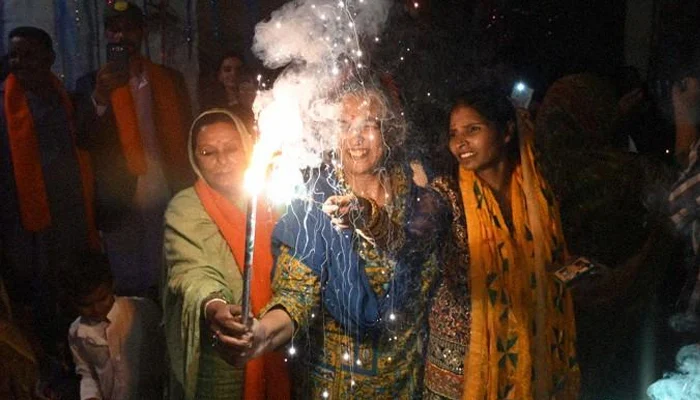
On a crisp Monday evening in Islamabad, the Prime Minister’s House was bathed in the warm glow of diyas and fairy lights, as Prime Minister Muhammad Shehbaz Sharif hosted a Diwali celebration aimed at promoting interfaith harmony.
The event, attended by Hindu, Christian, and other minority leaders, as well as government officials and diplomats, was a high-profile display of Pakistan’s commitment to religious pluralism.
But as the festive lights twinkled, a deeper question lingered: in a country where minorities still face systemic discrimination?
A Festival of Lights Amidst Shadows of Inequality
Diwali, the Festival of Lights, holds profound significance for millions of Hindus worldwide, symbolizing the triumph of light over darkness, good over evil, and knowledge over ignorance. In Pakistan, where Hindus make up less than 2% of the population, the festival is both a celebration of faith and a reminder of the challenges faced by religious minorities.
This year, the Pakistani government made a public show of inclusivity, with top leadership extending warm Diwali greetings and reaffirming commitments to equal rights and religious freedom. But for many in the Hindu community, the reality on the ground tells a different story—one of .
President Zardari: “Diwali Reminds Us of Light Over Darkness”
In his Diwali message, President Asif Ali Zardari drew parallels between the festival’s themes and Pakistan’s founding principles of tolerance and unity.
“As our Hindu citizens and millions around the world celebrate Diwali, this festival reminds us of the triumph of light over darkness and good over evil,” he said.
Zardari emphasized that Pakistan’s Constitution guarantees equal rights and religious freedom, invoking Quaid-e-Azam Muhammad Ali Jinnah’s vision of a nation where minorities live with dignity.
“The Hindu community has been an integral part of our social, cultural, and economic fabric since the country’s inception,” he added, urging Pakistanis to renew their commitment to harmony.
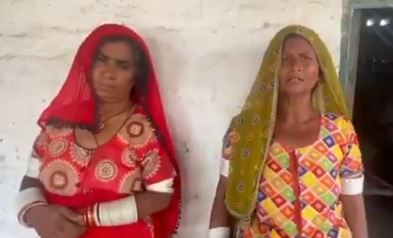
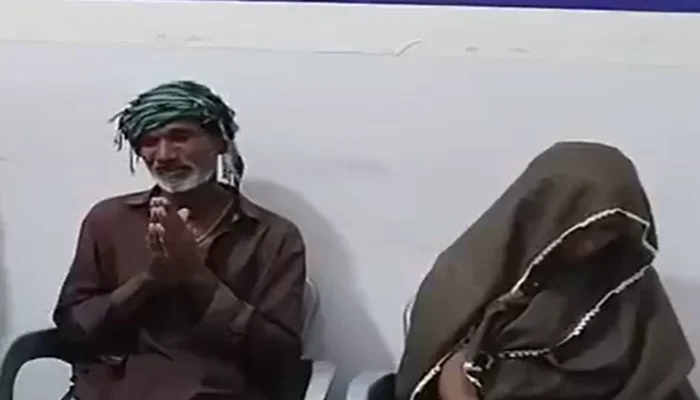
Yet, his words ring hollow for many Hindus who continue to face discrimination, abductions, and forced marriages—crimes that often go unpunished.
PM Shehbaz Sharif: “Pakistan’s Diversity is Its Strength”
Prime Minister Muhammad Shehbaz Sharif, the chief guest at the Diwali ceremony, echoed similar sentiments, calling Pakistan’s diversity a source of strength.
“The ‘festival of lights’ reflects light prevailing over darkness and hope over despair,” he said.
Shehbaz Sharif praised the Hindu community’s contributions to Pakistan’s social, economic, and political life, reaffirming his government’s commitment to Quaid-e-Azam’s vision of equality.
“As we celebrate Diwali, let us collectively look toward a future filled with positivity and unity,” he remarked.
But . While the Prime Minister’s House glowed with Diwali lights, Hindu families in Sindh and Punjab still live in fear of abduction, forced conversion, and violence.
Sindh Governor Tessori: A Message of Brotherhood
Sindh Governor Kamran Khan Tessori also extended Diwali greetings, calling the festival a symbol of love, peace, and brotherhood.
“Diwali is a festival that carries a message of light, love, peace, and brotherhood,” he said, acknowledging the Hindu community’s role in Sindh’s development.
Tessori reaffirmed the government’s commitment to protecting minority rights, but without concrete policy changes, such statements risk being mere lip service.
Diwali in Pakistan: A Festival Overshadowed by Fear
While Diwali celebrations in Pakistan are growing more visible, thanks in part to government endorsements, the reality for Hindus remains grim:
✅ Forced Conversions – Hindu girls, especially in Sindh and Punjab, are routinely abducted, converted to Islam, and married off against their will. ✅ Temple Attacks – Hindu temples face vandalism, encroachment, and destruction, with little legal recourse. ✅ Social Discrimination – Hindus are marginalized in education, employment, and politics, despite constitutional guarantees of equality. ✅ Legal Impunity – Perpetrators of violence against Hindus often go unpunished, emboldening further abuses.
A Step Forward or Just Symbolism?
The Diwali event at the Prime Minister’s House was a rare and welcome acknowledgment of Pakistan’s Hindu community. It sent a powerful message of inclusivity- one that was amplified on social media and national news.
But true progress requires more than ceremonies and speeches. It demands: ✔ Stronger laws against forced conversions and child marriages. ✔ Protection of Hindu temples from encroachment and destruction. ✔ Equal opportunities in education, jobs, and politics for minorities. ✔ Accountability for hate crimes and violence against Hindus.
Until these systemic issues are addressed, Diwali celebrations—no matter how grand—will remain symbolic rather than transformative.
Conclusion: Lighting the Way Forward
The Diwali celebration at the Prime Minister’s House was a step in the right direction, but . They need justice, security, and true equality.
As the Festival of Lights illuminates homes across Pakistan, it must also shine a light on the darkness of discrimination that still plagues the nation’s minorities.
Only then will Diwali’s message of triumph over darkness truly resonate.
#DiwaliInPakistan #MinorityRights #InterfaithHarmony #EqualityForAll #HinduCommunity 🪔✨
For more updates and detailed coverage of this case and other issues affecting the Hindu and Sindhi communities in Sindh, Pakistan, stay tuned to Sindh Renaissance.